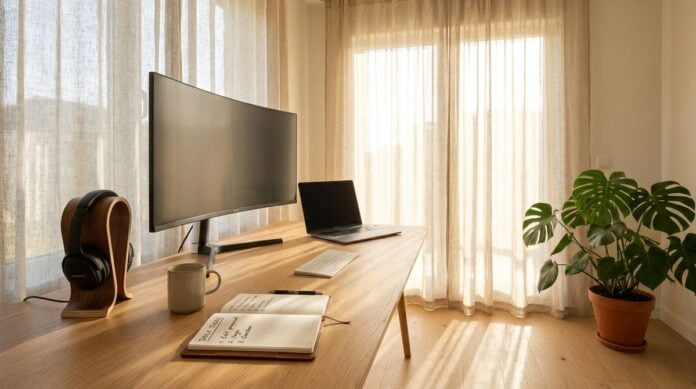

Creating a dedicated space for work within your residence is essential for maintaining a clear boundary between your professional responsibilities and your personal life. Whether you have an entire room to dedicate to your projects or just a small corner, the way you structure and decorate this area significantly influences your focus and comfort. A well-designed workspace encourages better habits, keeps your mind sharp, and helps ensure that your tasks do not bleed into your relaxing hours at home.
Evaluating Your Workspace Potential
Before selecting furniture or deciding on decorative elements, take a comprehensive look at the space you have available. The most productive areas prioritize natural light and minimal foot traffic. Observe how the sunlight moves across your room during the day, as positioning your desk to utilize natural light can reduce eye strain and improve your overall mood. Consider the proximity to power outlets and ventilation sources, as these are critical for both your equipment performance and your personal comfort during long hours.
Avoid the temptation to fill every inch of your space with equipment or shelving. Instead, focus on creating a layout that allows for easy movement and keeps necessary items within reach. A clear, uncluttered surface is often the foundation of productive work. If your available area is limited, prioritize multifunctional furniture that can adapt to different needs throughout the day, such as a compact desk that folds away or shelving that utilizes vertical height without overwhelming the room.
Incorporating Eco-Friendly Design Elements
The materials you choose for your home office play a significant role in your long-term comfort and the air quality of your working environment. Opting for sustainable materials not only benefits the broader environment but often results in furniture that is more durable and free from harsh manufacturing chemicals. When looking for guidance on improving your home interior, you might find valuable insights by consulting Build Green Atlantic, which offers expert tips on home improvement and interior design.
Think about the origin and the life cycle of the materials you bring into your space. Bamboo, reclaimed wood, or recycled metals are excellent choices for desks and shelving units. These materials often bring a natural texture to the office, creating a grounded atmosphere that feels less sterile than traditional office furniture. Additionally, consider how your choice of paint, rugs, and storage bins affects the air quality of your nook. Selecting low-emission products ensures that your office remains a healthy sanctuary rather than a space that accumulates dust or chemical odors over time.
Personalizing Your Area for Deep Focus
A home office should reflect your professional needs while feeling welcoming. Personalization is not just about aesthetics; it is about creating an environment that signals to your brain that it is time to focus. If you struggle with maintaining motivation or feel that your current decor is not inspiring, exploring ways to enhance your home space can provide new perspectives. Resources like rawreplaymedia.com offer various ideas on how to decorate and optimize your living areas to better suit your vision.
Consider the color palette carefully. Soft, neutral tones generally promote calm and sustained focus, while small touches of color in artwork or organizers can provide necessary stimulation without being distracting. Organize your space in a way that aligns with how you think. If you are a visual thinker, use corkboards or whiteboards to map out your projects. If you prefer order, invest in storage solutions that keep cables hidden and supplies neatly tucked away. Every object in your workspace should serve a purpose or provide genuine inspiration, avoiding unnecessary clutter that can drain your mental energy.
Building Effective Maintenance Habits
The functionality of your home office depends heavily on your ability to keep it clean and organized. A space that is neglected quickly becomes a source of stress rather than productivity. Implementing a simple, consistent routine ensures that your workspace stays in good condition without requiring significant effort. A clean office helps you start your day with a clear intention and prevents the buildup of unnecessary items.
Consider incorporating these simple tasks into your weekly routine:
- Clear your desk surface completely at the end of each work session.
- Dust monitor screens, keyboards, and other electronic equipment gently.
- File away loose documents and discard obsolete notes.
- Check storage areas to ensure items are grouped logically by usage frequency.
- Sanitize high-touch areas like desk surfaces and drawer handles.
Consistency is more important than intensity when it comes to maintaining your office. Spending just a few minutes every day tidying up is far more effective than attempting a major reorganization session when the clutter becomes overwhelming. When your space is consistently maintained, it remains ready for use whenever you need to jump into a new task.
Scaling Your Setup for Professional Success
As your projects grow or your professional needs evolve, your office setup may need to adapt. This often involves planning for future equipment or changing how you manage your workflow. It is important to approach these changes strategically, ensuring that your workspace can handle new challenges without becoming disorganized. For those who are currently navigating complex professional service agreements, having a reliable, structured office environment is essential for maintaining focus on the details of your work.
Think about modular storage options that can be added as your needs expand. If you anticipate adding more technology, ensure that your power and cable management systems are robust enough to handle the additional load. Scaling is not about simply adding more things; it is about refining your process and ensuring your space continues to support your efficiency. Regularly review your workflow to see if your current setup is still serving its intended purpose or if minor adjustments could improve your performance.
Preparing Your Space for Long-Term Use
Finally, focus on the ergonomic and long-term aspects of your home office to ensure you can work comfortably for years to come. Ergonomics is a critical element often overlooked until discomfort becomes a distraction. Ensure that your chair provides adequate support, your monitor is at eye level, and your keyboard placement encourages a neutral wrist position. Taking the time to adjust your furniture to fit your body correctly will prevent physical fatigue and help you maintain your productivity during busier periods.
Creating the ideal workspace is an ongoing process of refinement. Your needs will change, and the way you use your office will naturally evolve as your responsibilities shift. By focusing on sustainability, personalization, maintenance, and strategic planning, you create a home office nook that not only supports your current tasks but also provides a stable foundation for all your future endeavors. Keep your workspace as dynamic as your career, ensuring that it remains a place where you can feel energized, focused, and truly productive every single day.