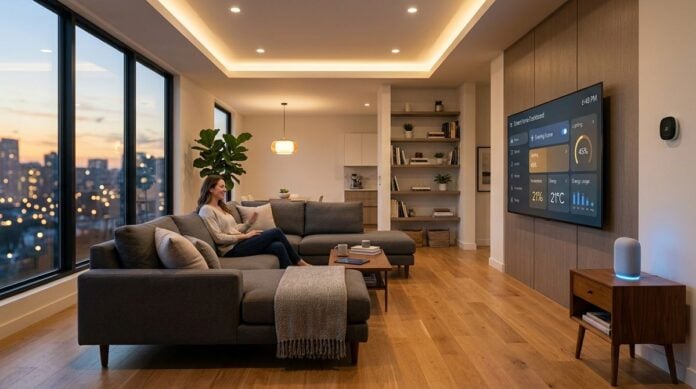

Creating a living space that feels both inherently natural and highly efficient requires a thoughtful balance between aesthetic comfort and functional utility. Many homeowners find themselves striving to cultivate a peaceful atmosphere while simultaneously managing the practical demands of a modern house. Achieving this harmony is not about undertaking massive renovations immediately, but rather about making intentional choices that align your daily environment with your personal comfort needs.
When you start to evaluate how your home functions on a daily basis, you may notice areas where energy usage could be optimized without sacrificing the character of your rooms. For those looking for comprehensive resources on improving residential comfort and utility, exploring the detailed guides found at garrettiron.com provides practical insights into making your house more energy-efficient. Focusing on these foundational improvements helps establish a baseline for a home that supports both your well-being and your long-term goals for comfort.
A key aspect of bringing natural elements into your living space involves selecting materials and design approaches that feel authentic. Integrating textures like wood, stone, or natural fibers can shift the mood of a room from stark to inviting. If you are seeking inspiration to give a unique look to your dream home, the expert-led advice on PlantWare can offer fresh perspectives on how to blend these natural aesthetics with your existing interior layout.
Developing a more balanced home often means designating areas for specific activities. This approach helps maintain focus throughout the day and prevents household clutter from encroaching on your personal time. If you have been considering how to optimize a space for better workflow, it is useful to look at ways to set up a sustainable and productive home office nook to enhance your daily productivity. Dedicated zones allow you to transition more easily between different modes of living, helping to preserve a sense of order.
Assessing Your Current Living Space
To begin the process of improving your home, it is essential to first understand how your space currently operates. This involves observing how light enters your rooms throughout the day and identifying any areas where temperature or airflow feels inconsistent. These observations can reveal opportunities to make simple adjustments that enhance both comfort and utility.
Start by walking through each room at different times of day to note where you feel most comfortable and where you might feel the need for change. Are there areas that are overly bright, or perhaps corners that feel stagnant? Understanding these patterns is the first step toward creating a more responsive environment.
Consider the placement of your furniture and how it interacts with the natural flow of the house. Moving a chair closer to a window or rearranging shelves can sometimes make a significant difference in how a room feels. The goal is to maximize the utility of your existing space while ensuring that every element serves a purpose, either for functionality or for fostering a sense of ease.
Integrating Sustainable Design Principles
Sustainable design is often perceived as a technical pursuit, but it is equally about making choices that promote longevity and harmony within your home. This might mean selecting materials that are durable and easy to maintain, or prioritizing layouts that make the best use of available light and space. Small shifts in how you select home additions can lead to a more cohesive environment.
When incorporating new elements, think about how they fit into the broader narrative of your home. A piece of furniture made from natural materials can anchor a room, while proper window treatments can help manage light and temperature more effectively. These choices contribute to a more stable indoor climate, which is beneficial for both your comfort and the overall health of your living space.
Design choices should prioritize ease of living. When you integrate functional items that also serve an aesthetic purpose, you reduce the need for excessive decoration and minimize the feeling of clutter. This approach ensures that your home remains a sanctuary, rather than a place requiring constant management.
Creating Dedicated Zones for Daily Tasks
A well-organized home relies on the clear definition of functional areas. When spaces are clearly designated for specific activities, it becomes easier to maintain focus and order. This is particularly important for areas used for work, hobbies, or rest, as it helps establish clear boundaries in your daily routine.
Consider the following steps to better define your living zones:
- Clear away unnecessary items from surfaces to create usable space.
- Use lighting to define functional areas within a larger room.
- Arrange seating or workstations to face away from distractions.
- Incorporate storage solutions that keep essential items accessible yet out of sight.
By creating these focused zones, you cultivate a sense of intentionality in your home. This structure helps you feel more prepared for the tasks at hand while leaving room to truly relax when you are away from those designated work or hobby areas.
Optimizing Efficiency for Comfort
Efficiency in a home is closely tied to how well your space manages resources like heat, air, and light. When these elements are balanced, your home becomes a more comfortable place to be, regardless of the season. Achieving this often involves a combination of smart habits and thoughtful improvements to the home’s structure.
Small, incremental changes can have a notable impact. For instance, ensuring that your windows are properly sealed and that your heating or cooling systems are maintained can improve your comfort and help you manage your home more effectively. These efforts are not just about utility; they are about creating an environment that supports your daily lifestyle by reducing the need to constantly adjust your surroundings.
Consistency is key to a comfortable home. When you take the time to address potential issues early, you prevent minor inconveniences from becoming larger problems. This proactive approach allows you to spend more time enjoying your space and less time managing it.
Maintaining a Balanced Environment
Once you have implemented changes to improve your home’s efficiency and flow, the final step is maintenance. A balanced environment requires ongoing attention to ensure that it continues to serve your needs. This does not mean constant work, but rather regular, light engagement with your space to keep it feeling right.
Regular cleaning and decluttering are essential for maintaining the clarity you have worked to create. Periodically assessing your storage solutions can help you determine if they are still working for your needs or if they require adjustment. Keeping your living environment tidy reduces daily stress and allows you to better appreciate the design choices you have made.
Ultimately, a home that feels both efficient and naturally aligned is one that adapts to you. By staying mindful of your space and making small adjustments as your needs change, you ensure that your living area remains a supportive and comfortable sanctuary. This continuous, low-pressure approach to managing your home helps you foster a long-term sense of peace and satisfaction within your living environment.