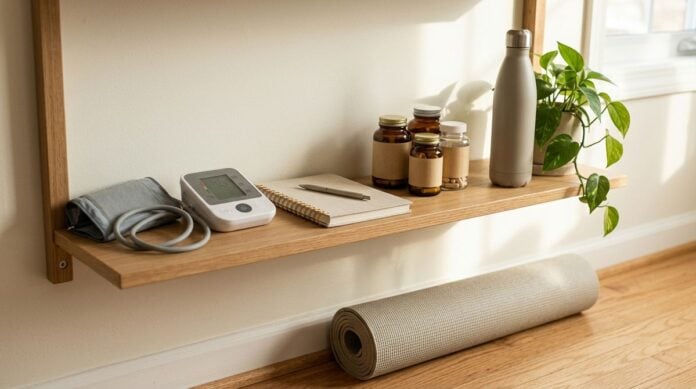

A small team rarely has a wellness budget, yet a simple reminder board can still encourage everyone to pay attention to daily habits. The idea is to share general, practical information in a visible spot, rather than running formal programs that need time and money. This article explains why a physical board works well in a shared space, how to choose topics that stay general and how to keep the content fresh without much effort. It deliberately avoids medical claims. The aim is a friendly, low cost tool that supports good habits and invites conversation. Even a modest board can make a visible difference when it is updated regularly and placed in a busy spot.
Why a Physical Board Works
A board on the wall is hard to ignore. Staff pass it on the way to the kitchen, the printer or the door, so a short message can reach people who never open an email from management. Because the board sits in a shared space, it also invites casual talk, which is often more useful than a formal presentation. Staff can also add their own notes with a marker, which turns the board into a shared space rather than a notice from above.
Readers may also want to visit DecoratorAdvice. Choose material that is simple, cheerful and easy to read from a few steps away, and avoid anything crowded with small print. Use a plain background so the colors stand out and place the most important line at eye level. A board that is easy to scan from across a room is far more likely to be read.
Choosing Topics That Stay General
Keep the subjects broad and practical. Reminders about drinking water through the day, taking short breaks from screens, stretching at the desk or washing hands before meals are all easy to understand and rarely controversial. Avoid diagnosing conditions, recommending treatments or claiming that any habit will cure a problem, because that moves the board into territory that needs professional advice.
You can also visit Exxointerior.com for more reading. This keeps the board useful to a wide range of staff and avoids pressure on people who may have different needs or limits. Keep the topics practical and positive, and avoid anything that suggests one habit is required for everyone. Keep each tip short enough to read in a few seconds, since long paragraphs rarely survive on a busy wall.
Low Cost Materials and Smart Placement
A cork board, a whiteboard or a plain sheet of card in a clear frame is enough. Use a single bright color for headings and keep the body text in one readable font. Place the board where people already pause, such as beside the kettle or near the coat hooks, so that it is seen without anyone having to go looking for it.
Change the position now and then if the board is being ignored. A slight move can bring fresh attention to the message without any extra cost. For a related read on this site, see Handling Extra Work on a Garden Design Job.
Rotating the Content Each Month
Fresh content keeps the board from fading into the background. Choose one theme for each month, such as hydration in summer or short stretches during long project weeks, and display three or four tips under that theme. Store the printed sheets in a folder so that old material can be reused later. Label each folder by month so that anyone who refreshes the board can find the right set quickly.
- One central message at the top
- Three short tips beneath it
- A simple line inviting questions at the bottom
This format takes less than an hour to prepare and gives the board a steady rhythm that staff come to expect. Consider rotating the lead item among staff volunteers, so the board reflects different interests and each person feels included.
Asking Staff What Helps
Ask colleagues which tips they find useful and which they ignore. A brief anonymous note box or a quick chat at the coffee machine can reveal ideas that save you guesswork. Tallying the suggestions once a month takes only a few minutes and gives the next theme a clear direction. People are more likely to read a board that reflects their own interests and concerns.
Keeping the Board Friendly and Modest
A reminder board does not replace proper health services, and it should never make anyone feel judged. Keep the tone encouraging, rotate the content regularly and invite feedback. Small changes made in response to comments show colleagues that their input matters, and that alone keeps the board relevant. A small, consistent message can do a surprising amount of good when it is placed where people naturally look. Review the board once a quarter with a few colleagues, and retire any tip that nobody mentions anymore.