
Water is the lifeblood of agriculture, yet it remains one of the most misused resources on the farm. As pressure mounts from shifting weather patterns, tightening regulations, and rising utility costs, irrigation professionals and growers alike are rethinking how they deliver water to crops. Saving water isn’t just an environmental talking point anymore — it’s a practical necessity that affects yield, profitability, and long-term land viability. This guide breaks down the strategies and mindset shifts that can help anyone in the irrigation industry use water more wisely.
Why Water Efficiency Matters Now
Water scarcity has moved from a regional concern to a widespread challenge affecting farms of every size. Aquifers are being drawn down faster than they can recharge, and municipal water sources are increasingly stretched thin by competing demands. For irrigation professionals, this means the old approach of applying water liberally and hoping for the best is no longer sustainable. Efficient water use protects the bottom line by reducing utility and pumping costs while also preserving soil health, since overwatering can lead to nutrient leaching and erosion. Beyond the farm gate, water-conscious practices help maintain community goodwill and compliance with evolving water rights and usage regulations.
Understanding Your Soil and Crop Needs
Effective irrigation starts long before water ever touches the ground. Different soil types hold and drain water at different rates, and understanding these characteristics is essential to avoiding waste. Sandy soils drain quickly and may need more frequent, lighter watering, while clay-heavy soils retain moisture longer and are prone to runoff if water is applied too fast. Pairing this knowledge with an understanding of crop-specific water requirements at each growth stage allows irrigators to apply water only when and where it’s truly needed. Soil moisture sensors and simple manual checks, like the classic soil probe test, can go a long way toward eliminating guesswork.
Choosing the Right Irrigation Method
Not all irrigation systems are created equal when it comes to water conservation. Flood irrigation, while inexpensive to install, tends to be the least efficient method due to significant losses from runoff and evaporation. Sprinkler systems offer better control but can still lose water to wind drift and evaporation if not properly managed. Drip irrigation, on the other hand, delivers water directly to the root zone, minimizing waste and often improving crop health as a result. Choosing the right method depends on factors like crop type, terrain, and budget, but even incremental upgrades — such as retrofitting a sprinkler system with more precise nozzles — can yield meaningful savings.
Embracing Smart Technology
Technology has transformed what’s possible in irrigation management. Weather-based controllers adjust watering schedules automatically based on real-time forecasts and evapotranspiration data, preventing unnecessary irrigation during rainy periods. Soil moisture sensors provide continuous feedback, allowing systems to respond dynamically rather than following a fixed schedule. Remote monitoring platforms let operators oversee multiple fields or zones from a single dashboard, catching leaks or malfunctions before they become costly problems. While the upfront investment in smart technology can seem steep, the long-term water and labor savings often justify the cost, particularly for larger operations.
Maintenance: The Often-Overlooked Solution
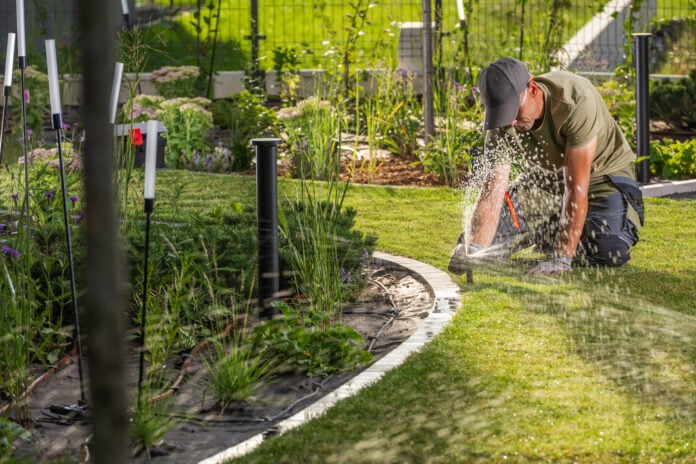
Even the most advanced irrigation system will waste water if it isn’t properly maintained. Leaky valves, clogged emitters, and misaligned sprinkler heads are common culprits behind unnecessary water loss. Establishing a routine maintenance schedule, including regular system inspections and prompt repairs, is one of the simplest and most cost-effective ways to conserve water. Flushing drip lines to prevent clogging and recalibrating controllers seasonally ensures that the system continues to perform as designed rather than slowly drifting into inefficiency.
Building a Culture of Water Stewardship
Saving water in irrigation isn’t a one-time fix; it’s an ongoing commitment that involves everyone from equipment manufacturers to field technicians. Training staff to recognize signs of inefficiency, encouraging feedback from those who work with the systems daily, and staying current with emerging best practices all contribute to a culture where water conservation becomes second nature. Industry associations and extension services often provide valuable resources, from workshops to cost-share programs, that can support this transition.
Looking Ahead
The irrigation industry stands at an important crossroads. Those who adapt their practices now — through smarter technology, better maintenance, and a deeper understanding of soil and crop needs — will be better positioned to weather future water challenges. Saving water isn’t just about doing more with less; it’s about building resilient, sustainable operations that can thrive for generations to come.