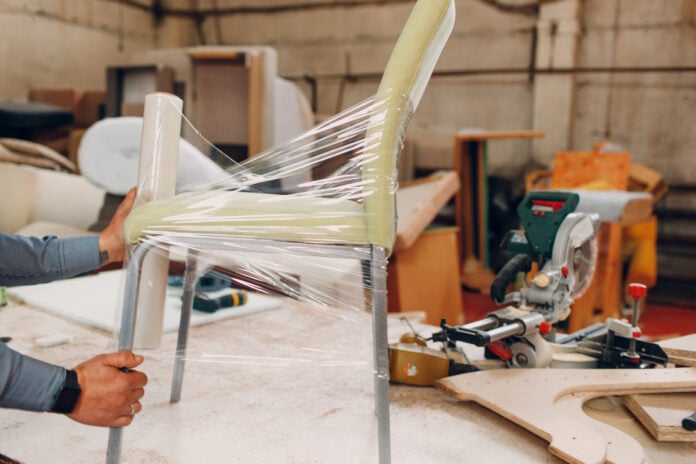

Furniture is heavy, bulky, and expensive to replace. A single damaged shipment can wipe out your profit margin on that sale and several others, especially once you factor in return shipping, refunds, and the customer who never orders from you again. Finding the right packaging isn’t a back-office detail you can put off. It’s a core part of how your business protects its bottom line and its reputation.
If you’re searching for better ways to handle furniture packing, here’s how to approach the process methodically.
Start With Your Product’s Weak Points
Every piece of furniture has vulnerabilities. Chairs have thin legs that snap under pressure. Tables have finished surfaces that scratch easily. Upholstered pieces attract moisture and dust if left uncovered. Before you even look at packaging materials, walk through your product line and identify where damage is most likely to occur during transit.
Corners and edges take the brunt of impact damage, so they need reinforcement. Flat, finished surfaces need protection from scuffing and moisture. Anything with moving parts, like drawers or reclining mechanisms, needs to be secured so it doesn’t shift and cause internal damage. Mapping out these weak points gives you a checklist to measure any packaging solution against.
Understand the Difference Between Cushioning and Structure
Durable furniture packaging typically does two jobs at once: cushioning against shock and providing structural rigidity. Confusing the two, or relying on only one, is where a lot of businesses run into trouble.
Cushioning materials, like foam padding, bubble wrap, or corner protectors, absorb impact when a box gets dropped or jostled. Structural materials, like corrugated cardboard, plywood crating, or reinforced boxes, keep the item from being crushed under weight or bent out of shape. A well-packed piece of furniture usually needs both. Foam alone won’t stop a box from collapsing if it’s stacked under heavier items. A rigid crate alone won’t stop a hard knock from cracking a wood finish.
Match Materials to Your Shipping Method
How your furniture travels changes what kind of packing materials for shipping you should use. A local delivery in your own van has very different requirements than a cross-country freight shipment or an international container.
For short-distance delivery, moderate cushioning and basic corner protection are often sufficient since the item isn’t changing hands multiple times. For long-haul freight or parcel carriers, you need packaging built for multiple points of handling, temperature shifts, and the possibility of being stacked under other freight. Items going through several transfer points face more risk, so they call for stronger outer packaging, tighter internal bracing, and clear handling labels that reduce the chance of mishandling.
Evaluate Suppliers Based on Real Testing, Not Just Claims
Once you’ve narrowed down the type of packaging you need, the next step is finding a reliable supplier for furniture shipping supplies. Don’t take strength or durability claims at face value. Ask suppliers whether their materials have been tested for compression strength, drop resistance, and puncture resistance, and request the data if it exists.
It’s also worth asking for samples before committing to a bulk order. Test them yourself. Pack a real item, simulate a drop or a squeeze, and see how the packaging holds up. This hands-on step often reveals issues that spec sheets don’t mention, like a box that looks sturdy but flexes too much at the seams, or foam that compresses permanently after one use.
Factor in Sustainability Without Sacrificing Strength
Customers increasingly notice how a company packages its products, and excessive or wasteful packaging can hurt your brand image. The good news is that durability and sustainability aren’t mutually exclusive. Recycled corrugated cardboard, biodegradable foam alternatives, and reusable crating systems have all improved in strength over recent years.
When evaluating eco-friendly options, apply the same scrutiny you would to any other material. Ask for testing data, request samples, and confirm the option actually holds up under your specific shipping conditions. A sustainable choice that fails in transit isn’t sustainable at all. It just creates more waste through damaged returns and replacement shipments.
Build a Feedback Loop With Your Shipping Data
Packaging decisions shouldn’t be static. Track your damage rates by product line and shipping route, and pay attention to any patterns in customer complaints or return reasons. If one particular table style keeps arriving with chipped corners, that’s a sign your current packaging isn’t addressing that item’s specific weak point.
Treat this feedback as an ongoing part of your packaging strategy rather than a one-time fix. As your product line grows or your shipping routes change, revisit your materials and methods regularly. The businesses that keep damage rates low aren’t the ones that found a perfect solution once. They’re the ones that keep refining their approach as conditions change.