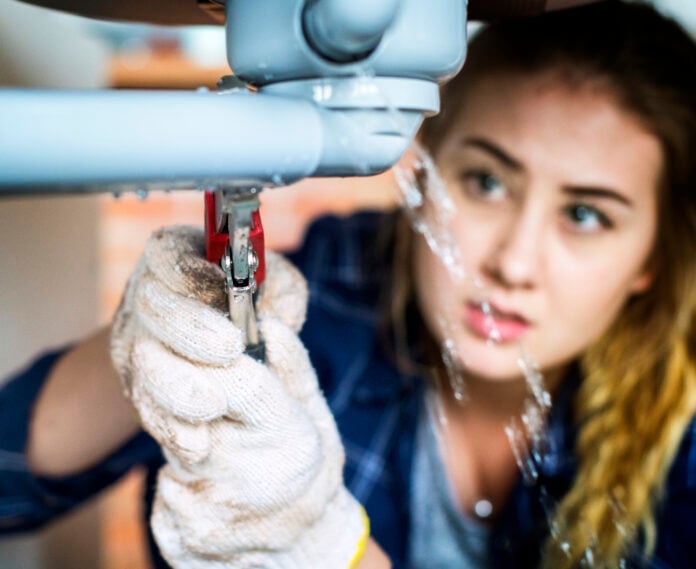

A single drop of water falling from a pipe doesn’t look like much. It’s easy to dismiss, easy to postpone, and easy to assume it will simply wait until you have time to deal with it. But plumbing systems rarely operate on your schedule. That tiny drip you noticed under the sink last week can, without warning, become the reason you’re mopping water off your kitchen floor at midnight. Understanding how small leaks escalate is the first step toward protecting your home before a minor nuisance becomes a full-blown plumbing emergency.
Why Small Leaks Don’t Stay Small
Pipes are part of an interconnected system, and pressure, corrosion, and wear don’t stay contained to one spot. A pinhole leak in a copper pipe, for example, often starts because of internal corrosion. That corrosion doesn’t heal itself or stop spreading. It continues eating away at the pipe wall until the small hole becomes a larger crack, and a slow drip becomes a steady stream.
The same is true for leaks around fittings, valves, and joints. A slightly loose connection might only weep a small amount of water at first. Over time, vibration, temperature changes, and water pressure work against that connection, loosening it further. What starts as a barely noticeable dampness can eventually give way to a sudden burst, especially if the fitting is old or made from a material prone to wear.
The Hidden Damage You Can’t See
One of the biggest dangers of a small leak is that much of the damage happens where you can’t see it. Water traveling behind walls, under flooring, or above ceilings can saturate insulation, warp wood framing, and create the perfect environment for mold growth long before any visible sign appears. By the time a stain shows up on your ceiling or a floorboard starts to feel soft, the leak has likely been active for weeks or even months.
This hidden progression is what transforms a simple repair into an emergency. A leak that could have been fixed by tightening a connection or replacing a washer can turn into a situation requiring drywall removal, structural repairs, and mold remediation. The plumbing issue itself may still be small, but the consequences are anything but.
Water Pressure and Timing
Household water pressure is constant, even when you’re not using a faucet. This means a leak isn’t just active when you’re running water. It’s working around the clock, every single day. A leak that seems minor during a quick inspection can release a surprising amount of water over the course of a week.
Timing also plays a role in how quickly a small leak escalates. Leaks near electrical systems, load-bearing walls, or areas with limited ventilation are more likely to cause rapid, serious damage. A leak in a finished basement, for instance, can spread across flooring and up walls far faster than one in a well-ventilated garage.
Signs a Leak Is About to Get Worse
Certain signs indicate a leak is progressing toward an emergency rather than remaining a minor issue:
- Increasing water stains that grow larger or darker over just a few days
- A musty smell that wasn’t there before, signaling moisture buildup
- Fluctuating water pressure throughout the house, which can indicate a worsening pipe issue
- Visible corrosion or rust around fittings, valves, or exposed pipes
- A rising water bill with no clear explanation
Any of these signs should prompt immediate attention rather than a wait-and-see approach.
When to Call a Professional
Not every leak requires an emergency call, but knowing when to escalate matters. If you notice pooling water, a sudden drop in water pressure, or damage spreading faster than expected, it’s time to bring in a licensed plumber rather than attempting a temporary fix. Professionals can identify whether a leak is isolated or a symptom of a larger issue within your plumbing system, such as pipe corrosion throughout the house or a failing water heater.
Protecting Your Home Before It Becomes an Emergency
The best defense against a plumbing emergency is routine attention. Regularly checking under sinks, inspecting exposed pipes, and paying attention to changes in water pressure or sound can help you catch problems early. Addressing a small leak the moment you notice it, rather than waiting for a “better time,” is almost always less expensive and less disruptive than dealing with the aftermath of a burst pipe or extensive water damage.
A small leak may seem like a minor inconvenience, but plumbing systems don’t reward procrastination. Treating every leak as a potential warning sign, rather than a problem to revisit later, is the most reliable way to keep a minor drip from turning into a major crisis.