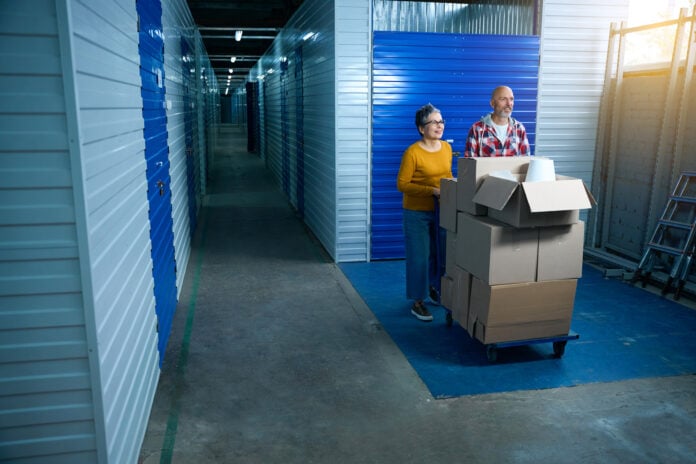

Moving to a new city or town brings a long list of decisions, and finding the right place to store your belongings often gets pushed to the bottom of that list. Yet for anyone downsizing, waiting on a lease to start, or simply trying to declutter during a transition, a rented storage unit can make the entire process smoother. The challenge is that you don’t yet know the neighborhoods, the traffic patterns, or which facilities have solid reputations. Here’s how to make a smart choice even when everything around you still feels unfamiliar.
Start With Location, But Think Beyond Distance
Proximity matters, but it isn’t the only factor worth considering. A facility close to your new home is convenient, but one near your workplace or along your daily commute route might actually save more time in the long run. Think about how often you’ll need access to your belongings. If you’re storing seasonal items or things you won’t touch for months, a slightly longer drive to a better-priced facility might be worth it. If you’ll be making frequent trips, convenience should take priority over cost savings.
It also helps to consider the surrounding area itself. Is the facility in a well-lit, easily accessible part of town? Are the roads leading to it well-maintained, especially if you’re moving during a season with unpredictable weather? These details matter more when you’re unfamiliar with the area’s quirks.
Research Before You Commit
Without years of local knowledge to draw on, online research becomes your best tool. Reviews from other renters can reveal a lot about how a facility operates day to day, including how staff handle problems, how clean the grounds are, and whether the security measures actually work as advertised. Look for patterns across multiple reviews rather than focusing on a single glowing or scathing comment.
It’s also worth checking how long a facility has operated in the area. Established businesses tend to have ironed out operational kinks and built relationships with local law enforcement and maintenance vendors, which can translate into better service overall.
Don’t hesitate to call and ask questions directly. A helpful, transparent staff member on the phone is often a good sign of how the business treats its customers in person.
Evaluate Security Features Closely
When you’re new somewhere, you naturally have less certainty about how safe different parts of town are. This makes security features at a storage facility especially important. Look for gated access with individual entry codes, well-placed lighting, and visible surveillance cameras. Ask whether the facility has on-site staff or management during business hours, and find out how they handle after-hours emergencies.
Some facilities also offer individually alarmed units, which add another layer of protection. While these features might cost a bit more, the peace of mind is often worth it, particularly when you’re still getting a feel for the neighborhood.
Consider Climate and Unit Conditions
If you’re moving to an area with a different climate than what you’re used to, this becomes an important factor in choosing storage. Humidity, extreme heat, or freezing temperatures can all damage furniture, electronics, and important documents over time. Climate-controlled units regulate temperature and moisture levels, protecting your belongings from the kind of environmental damage that’s easy to overlook until it’s too late.
Take a physical tour of the unit if possible before committing. Check for signs of water damage, unusual odors, or pest issues. A quick walkthrough tells you far more than any online listing can.
Compare Pricing and Lease Terms
Storage costs vary widely depending on the region, so ask around to get a sense of what’s typical for your new area. Be cautious of prices that seem unusually low, as they can sometimes come with hidden fees or fewer security measures.
Pay close attention to lease terms as well. Some facilities require long-term commitments, while others offer month-to-month flexibility that suits people who are still settling in and might need to adjust their plans. Ask about deposit requirements, insurance options, and policies for ending your lease early.
Trust Your Instincts During the Visit
Numbers and reviews matter, but so does your gut feeling when you visit a facility in person. Notice how the grounds are maintained, whether the staff seems knowledgeable and courteous, and if the overall atmosphere feels secure and well-organized. These impressions often reveal more than a website ever could.
Settling into a new area takes time, and choosing where to store your belongings is one small but meaningful part of that transition. By researching thoroughly, prioritizing security, and trusting what you observe firsthand, you can find a facility that gives you one less thing to worry about while you get to know your new home.