
Summer’s final swim is behind you, and it’s tempting to simply throw a cover over the pool and forget about it until spring. But that mindset can cost you thousands of dollars in avoidable repairs. A pool is a significant investment, and the way you treat it during the fall months determines whether you open next season to crystal-clear water or a green, damaged mess. Any experienced pool builder will tell you that fall maintenance isn’t optional—it’s the foundation of long-term pool health.
Why Fall Maintenance Matters
As temperatures drop, your pool’s chemistry and equipment face new challenges. Falling leaves, cooling water, and less frequent use all change how your pool behaves. Neglect it now, and you’re setting yourself up for algae blooms, cracked plumbing, or a damaged liner by the time warm weather returns. Think of fall maintenance as a bridge between the active swim season and winter dormancy. Done correctly, it protects every dollar you’ve invested in your backyard oasis.
Balance Your Water Chemistry Before Closing
One of the most overlooked steps in fall pool care is proper water balancing. Before you close your pool for the season, test and adjust your pH, alkalinity, and sanitizer levels. Water that’s left unbalanced over the winter can corrode metal components, stain surfaces, or encourage stubborn algae growth that’s difficult to remove come spring. Taking the time to balance your water now means less scrubbing and fewer chemical treatments later.
Clean Thoroughly Before Cover Season
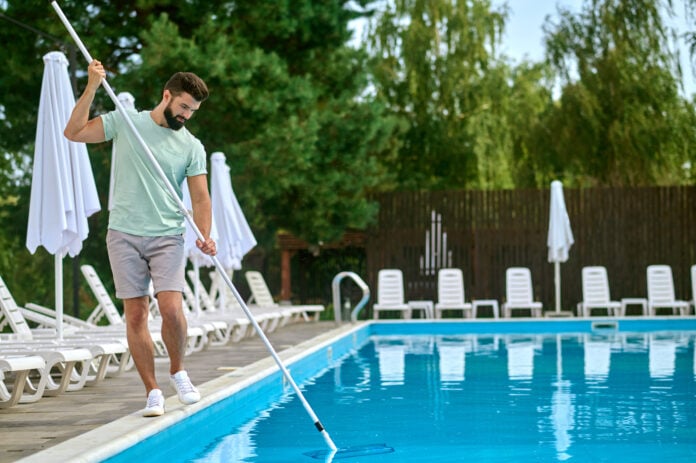
Leaves, dirt, and debris don’t just look unsightly—they decompose in the water and create an environment where bacteria and algae thrive. Skim the surface, vacuum the floor, and brush the walls and steps before you close up for the season. Don’t forget the filter; a clean filter at closing time means better water flow and less strain on your system when you reopen. This thorough cleaning routine is one of the simplest ways to prevent costly issues down the road.
Protect Your Equipment From the Cold
Your pool’s pump, heater, and plumbing lines are vulnerable to freezing temperatures. Water left in pipes or equipment can expand as it freezes, leading to cracks and breaks that are expensive to repair. Draining lines appropriately and following manufacturer guidance for winterizing pumps, filters, and heaters protects these critical components. If you’re unsure how to properly winterize your specific setup, consulting with a professional pool builder can save you from guesswork and costly mistakes.
Invest in a Quality Pool Cover
A durable, well-fitted cover is one of the best investments you can make for fall and winter protection. It keeps debris out, reduces water evaporation, and limits sunlight exposure that can fuel algae growth. Mesh covers allow water to pass through while blocking leaves and twigs, while solid covers offer more complete protection but require a pump to remove accumulated rainwater. Whichever style you choose, make sure it fits snugly and is rated for your pool’s dimensions.
Monitor Water Levels Throughout Fall
Even with a cover in place, water levels can fluctuate due to evaporation or rain. Check periodically to ensure the level stays within the recommended range for your cover type and skimmer. Too little water can strain your equipment when you eventually restart the system, while too much can put unnecessary pressure on the cover itself.
Schedule a Professional Inspection
Fall is an ideal time to have a professional assess your pool’s overall condition. A trained eye can spot small issues—hairline cracks, worn seals, or early signs of equipment wear—before they become major, expensive repairs. Partnering with a knowledgeable pool builder for a seasonal inspection gives you peace of mind and helps you plan for any maintenance or upgrades before next summer arrives.
Setting Yourself Up for a Smooth Spring Opening
The effort you put into fall maintenance directly impacts how easy—and affordable—your spring reopening will be. A pool that’s properly balanced, cleaned, and winterized requires far less work to bring back to life when warm weather returns. Skipping these steps might save time now, but it often means more hours and higher costs later.
Treat your pool as the long-term investment it is. With careful attention this fall, you’ll protect your equipment, your budget, and your enjoyment for many summers to come.