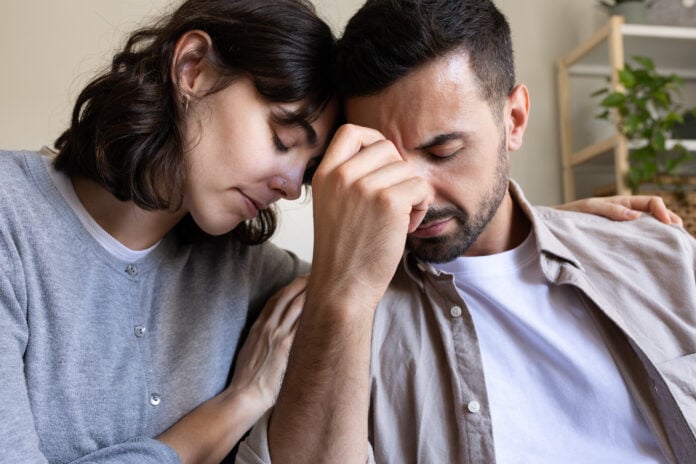

Every marriage goes through rough patches. Disagreements, stress, and the everyday friction of sharing a life with someone are normal parts of a long-term relationship. But there’s a difference between a temporary rough patch and a pattern that signals deeper trouble. Recognizing the difference early can be the key to turning things around before the damage becomes difficult to repair.
Marital help doesn’t have to wait until a relationship is on the brink of collapse. In fact, couples who seek reconciliation strategies early often have far better outcomes than those who wait until resentment has taken root. Here are ten warning signs that your marriage may need attention.
1. Communication Has Turned Into Conflict
If every conversation seems to spiral into an argument, or if you’ve stopped talking about anything meaningful at all, this is a red flag. Healthy couples disagree, but they don’t lose the ability to communicate respectfully.
2. You Feel More Like Roommates Than Partners
A gradual emotional distance often creeps in quietly. You share a home, split responsibilities, and coexist, but the emotional and romantic connection has faded into the background.
3. Contempt Has Replaced Kindness
Eye-rolling, sarcasm, and dismissive comments are more than just bad habits. Relationship researchers consistently point to contempt as one of the most damaging behaviors a couple can develop, and it tends to grow worse over time if left unaddressed.
4. You’re Keeping Secrets
Whether it’s financial decisions, friendships, or how you’re really feeling, hiding things from your spouse erodes trust. Secrecy, even about small matters, often signals a deeper reluctance to be fully known by your partner.
5. Intimacy Has Disappeared
A decline in physical affection, paired with a general lack of emotional closeness, often reflects unresolved issues rather than a simple lull. When both partners stop initiating any form of connection, it’s worth examining why.
6. You Avoid Spending Time Together
If you find yourself making excuses to stay late at work, spend more time with friends, or fill your schedule with anything that isn’t your spouse, take note. Avoidance is often an unconscious way of sidestepping unresolved tension.
7. Arguments Never Get Resolved
Some couples argue frequently but always find a way back to common ground. Others have the same fight repeatedly without ever reaching resolution. Unresolved conflict that resurfaces again and again suggests the underlying issue hasn’t actually been addressed.
8. You’ve Stopped Making Future Plans Together
Couples in healthy marriages naturally talk about the future, whether it’s a vacation, a home renovation, or long-term goals. When those conversations disappear, it may mean one or both partners have quietly stopped envisioning a future together.
9. Outside Relationships Feel More Fulfilling
Confiding in a friend, coworker, or family member instead of your spouse isn’t inherently harmful, but when those relationships consistently feel more satisfying than your marriage, it’s a sign something is missing at home.
10. You’ve Considered Separation, Even Briefly
Thinking about what life might look like apart from your spouse doesn’t automatically mean the marriage is over. But if the thought keeps resurfacing, it deserves honest reflection rather than avoidance.
What to Do If You Recognize These Signs
Noticing one or two of these signs doesn’t mean your marriage is doomed. Every relationship experiences difficult seasons. However, recognizing several of these patterns at once is a strong indicator that professional support could help.
Marriage counseling offers a structured, neutral space to address the issues that couples often struggle to work through on their own. A trained therapist can help identify unhealthy communication patterns, rebuild trust, and guide both partners toward practical tools for reconciliation. Importantly, counseling isn’t a last resort reserved for marriages on the verge of divorce. Many couples benefit most when they seek help early, before resentment has had time to build.
Reconciliation is possible, even in marriages that feel far from where they used to be. It requires honesty, a willingness to be vulnerable, and often, the guidance of a professional who can help both partners see the relationship from a new perspective.
Taking the First Step
Recognizing these signs is only the beginning. The next step is deciding what to do with that awareness. Whether that means having an honest conversation with your spouse, researching local marriage counselors, or simply committing to prioritize your relationship again, action matters more than perfection.
Marriages rarely fall apart overnight, and they rarely heal overnight either. But with commitment, support, and the right resources, many couples find their way back to a stronger, more connected relationship than before.