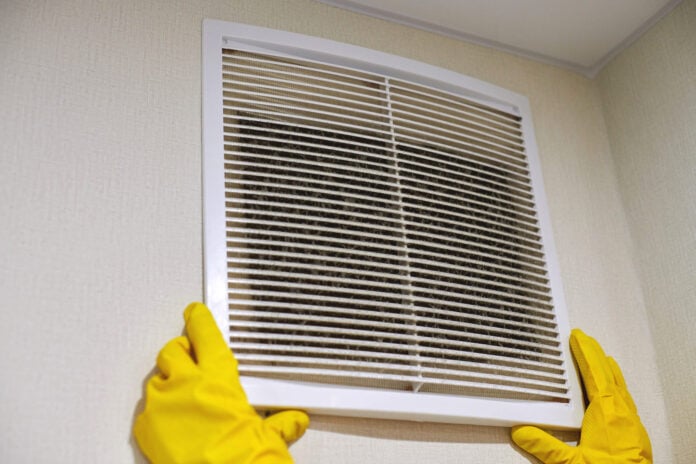

Your dryer works hard every week, pulling moisture out of wet clothes and pushing it outside through a narrow vent. Over time, that vent collects lint, dust, and debris that most homeowners never think about until something goes wrong. Understanding how often your home needs dryer vent cleaning can save you money, protect your family, and extend the life of your appliance.
Why Dryer Vent Cleaning Matters
A dryer vent does more than just move hot air outside. It carries lint and moisture away from your home, and when that pathway gets blocked, the consequences go beyond a poorly performing appliance. Clogged vents force your dryer to work harder, which means longer drying times, higher energy bills, and increased wear on internal components.
More importantly, lint is highly flammable. When it accumulates inside a vent, it creates a hazard that grows more serious the longer it goes unaddressed. Clean vents allow proper airflow, reduce strain on your dryer, and keep your household running efficiently.
The General Rule of Thumb
Most home experts recommend having your dryer vent professionally cleaned once a year. This annual cleaning removes built-up lint that regular filter maintenance simply can’t catch. Even if you clean the lint trap after every load, a surprising amount of debris still makes its way into the vent duct itself, gradually narrowing the passage and reducing airflow.
For a typical household with an average laundry load, once-a-year service strikes the right balance between prevention and practicality. It’s frequent enough to stay ahead of dangerous buildup without becoming a constant chore.
Factors That Might Increase the Frequency
While annual cleaning works for many households, some situations call for more frequent attention. Consider these factors when deciding on your own schedule:
- Household size: Larger families generate more laundry, which means more lint moving through the system and faster accumulation.
- Vent length and layout: Homes with long or winding dryer vents are more prone to clogs because lint has more surfaces to catch on along the way.
- Frequency of use: If you’re running multiple loads daily, your vent works overtime and may need cleaning more than once a year.
- Pets: Pet hair adds another layer of debris that can speed up blockages, especially in households with shedding animals.
- Older systems: Aging ductwork, especially vents made from flexible plastic or foil, tends to trap lint more easily than smooth, rigid metal ducts.
If any of these apply to your home, consider shortening the interval between cleanings to twice a year rather than waiting for the standard annual mark.
Warning Signs You Shouldn’t Ignore
Beyond a set schedule, your dryer often gives you clues that it’s time for a cleaning sooner rather than later. Watch for these warning signs:
- Clothes take longer than usual to dry, even on normal settings.
- The dryer feels hot to the touch during operation.
- You notice a burning smell when the machine is running.
- The lint trap fills up unusually fast.
- There’s visible lint around the outside vent opening.
- The room where your dryer is located feels more humid than usual after a cycle.
Any one of these signs suggests reduced airflow, which means it’s time to schedule a cleaning regardless of when your last service took place.
The Benefits of Staying on Schedule
Keeping up with dryer vent cleaning offers rewards that extend well beyond safety. A clean vent allows your dryer to run more efficiently, which translates into shorter drying times and lower utility costs. Your appliance also experiences less strain, which can extend its lifespan and reduce the likelihood of costly repairs.
There’s also a comfort factor. Excess heat and humidity from a clogged vent can make laundry areas uncomfortable, and in poorly ventilated spaces, this can even contribute to mold growth over time. Regular cleaning keeps these issues from developing in the first place.
Finding the Right Schedule for Your Home
While the annual guideline serves as a solid starting point, the right frequency depends on your specific household habits and equipment. Pay attention to how often you do laundry, the layout of your venting system, and any warning signs your dryer might be showing.
Staying proactive rather than reactive is the key to avoiding both safety hazards and unnecessary expenses. A quick annual check, or more frequent service if your household demands it, keeps your dryer running smoothly and your home protected. Taking the time to schedule regular cleanings is a small investment that pays off in efficiency, safety, and peace of mind for years to come.