
A layer of mulch does more than tidy up a garden bed. It regulates soil temperature, locks in moisture, suppresses weeds, and slowly feeds the soil as it breaks down. But not all mulch works the same way, and spreading the wrong type—or applying it incorrectly—can undo those benefits. Understanding your options is the first step toward healthier plants and a more polished landscape.
Organic Mulches: Feeding the Soil as They Break Down
Organic mulches come from natural materials that decompose over time, enriching the soil as they go.
- Wood chips and bark are popular for their natural look and slow decomposition rate. They work well around trees, shrubs, and perennial beds where you don’t need to disturb the soil often.
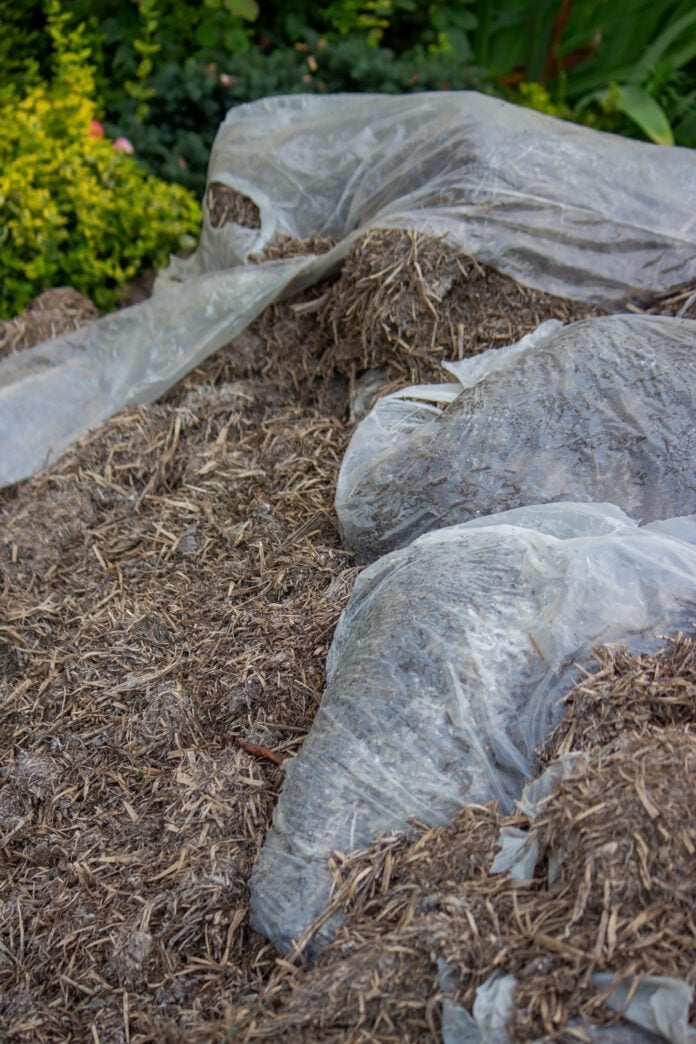
- Straw is a favorite in vegetable gardens. It’s lightweight, breaks down quickly, and helps retain moisture around delicate plants without smothering them.
- Shredded leaves are a free, eco-friendly option for anyone with deciduous trees. They decompose fast and add valuable organic matter to the soil.
- Compost functions as both a soil amendment and a mulch, delivering nutrients directly to plant roots while still offering some weed suppression.
- Pine needles are ideal for acid-loving plants like azaleas and blueberries, since they slightly lower soil pH as they break down.
Because organic mulches decompose, they need to be replenished, usually once or twice a year, but that decomposition is exactly what makes them valuable. It builds soil structure and feeds the beneficial microbes that keep your landscape thriving.
Inorganic Mulches: Built for Longevity
Inorganic mulches don’t break down, which makes them a long-term choice for specific landscaping goals.
- Landscape fabric is often used underneath other mulch types to provide an extra layer of weed control.
- Gravel and stone suit xeriscapes, pathways, and areas around structures where moisture retention isn’t a priority. They also hold up well in high-traffic zones.
- Rubber mulch is a durable option often chosen for playgrounds or areas that need long-lasting cushioning and minimal upkeep.
These materials won’t improve soil fertility, but they excel in situations where drainage, durability, or a low-maintenance appearance matters most.
Matching Mulch to the Right Setting
Choosing the correct mulch depends on what you’re trying to accomplish in a given space.
- Vegetable and flower beds benefit most from organic options like straw or compost, which improve soil quality as plants grow.
- Trees and shrubs do well with wood chips or bark, which conserve moisture without compacting around root systems.
- Pathways and dry landscape areas are better suited to gravel or stone, since these materials won’t wash away or need frequent replacing.
- Acid-loving plants thrive with pine needle mulch, which naturally supports the soil conditions they need.
Matching material to purpose prevents wasted effort and ensures your landscaping investment actually pays off.
Applying Mulch the Right Way
Even the best mulch type can cause problems if it’s applied incorrectly. A few core principles apply across nearly every landscaping situation.
Depth matters. A layer that’s too thin won’t suppress weeds or retain moisture effectively, while a layer that’s too thick can suffocate roots and encourage rot. A moderate, even layer across the bed strikes the right balance.
Keep mulch away from trunks and stems. Piling mulch directly against a tree trunk or plant stem—often called “volcano mulching”—traps moisture against the bark, inviting rot, pests, and disease. Leave a small gap around the base of any plant.
Refresh organic mulch as it breaks down. Check beds periodically and top off areas where the layer has thinned significantly.
Weed the area first. Applying mulch over existing weeds only slows them down temporarily. Clearing beds beforehand gives mulch the chance to do its job properly.
Water before mulching in dry conditions. This helps ensure moisture is locked in rather than blocked out from the start.
Building a Smarter Landscape, One Layer at a Time
Mulch is a small detail with an outsized impact on your landscaping. By choosing the right type for each area of your yard and applying it thoughtfully, you set the stage for healthier soil, stronger plants, and less maintenance down the road. A little research now translates into a landscape that looks better and works harder for years to come.