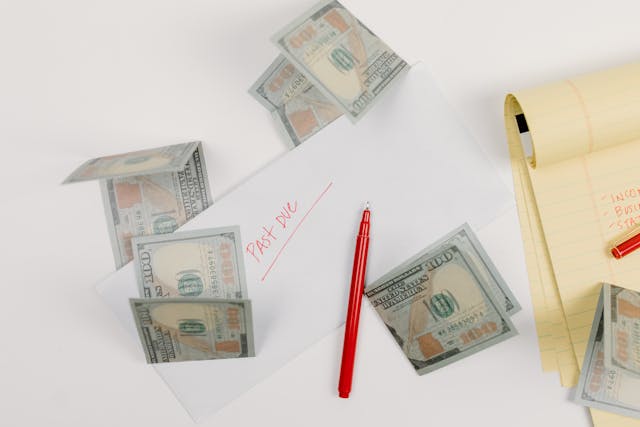

Paying bills on time may seem like a small detail, but it’s one of the most powerful habits you can develop for long-term financial stability. Whether it’s a credit card, utility bill, loan payment, or rent, consistent on-time payments send a clear signal: you’re reliable and financially responsible. It’s not just about avoiding late fees — it’s about building trust, protecting your credit, and creating opportunities for future growth.
For those juggling multiple debts or trying to get back on track, exploring credit card debt solutions can be a helpful step. Still, the foundation of any successful financial plan is consistency — and that begins with paying on time, every time.
Why on-time payments matter more than you think
When you make payments on time, you’re doing more than keeping your accounts in good standing. You’re shaping your financial reputation. Payment history is the single most significant factor in your credit score, making up about 35 percent of the total score according to credit bureaus like FICO. This means that one missed or late payment can have a major and lasting impact.
Beyond credit scores, on-time payments demonstrate stability and reliability to lenders, landlords, and even employers in some cases. A consistent track record signals that you can handle commitments and manage your obligations responsibly. It’s a quiet but powerful way of saying, “You can trust me.”
The real costs of missing payments
It’s easy to underestimate how costly a late payment can be. The immediate consequences include late fees and possible increases in interest rates, especially with credit cards or loans that penalize delinquent payments. Over time, missed payments can lower your credit score, making it harder — and more expensive — to borrow in the future.
For example, a single 30-day late payment can drop a good credit score by as much as 100 points, according to data from Experian. That decline can affect loan approval rates, auto financing terms, and mortgage applications. Even insurance companies in some states use credit history as part of their rate calculations, meaning missed payments can indirectly raise your monthly costs in unexpected ways.
But the damage isn’t only financial. Chronic late payments can create stress, guilt, and frustration — emotional burdens that can spiral into avoidance or financial disorganization. Taking control of payment routines reduces anxiety and helps you feel more secure about your finances.
Building habits that support timely payments
Developing consistency starts with structure. Automating bill payments through your bank or directly with service providers is one of the easiest ways to eliminate the risk of forgetting. Many lenders and utility companies even offer small incentives, such as waived fees, for setting up auto-pay.
If you prefer manual control, setting digital reminders a few days before each due date can help. Grouping bills by payment cycle — for example, aligning them with your paychecks — also makes the process more manageable. For larger obligations, such as student loans or mortgage payments, consider scheduling payments early to create a financial cushion for unexpected delays.
Budgeting tools and apps can also play a key role. Platforms like Mint and YNAB (“You Need a Budget”) allow you to track bills, schedule payments, and monitor your cash flow so nothing slips through the cracks.
Creating accountability and awareness
Awareness is at the heart of financial discipline. Reviewing your monthly statements and monitoring due dates reinforces responsibility and keeps you connected to your financial reality. If you share finances with a partner, open communication about upcoming payments helps ensure both people stay informed and involved.
Accountability also means facing issues head-on when cash flow is tight. If you anticipate trouble making a payment, contact your creditor before the due date. Many companies have hardship programs or flexible options for customers who reach out early. This proactive approach can protect your credit and reduce the stress of unexpected financial strain.
The ripple effect of good credit habits
When you consistently pay on time, you’re not just avoiding penalties — you’re setting yourself up for future financial success. Good credit opens doors to lower interest rates, higher borrowing limits, and better loan terms. This can translate into thousands of dollars in savings over time.
Even outside traditional credit, reliability pays off. A solid payment history can help when renting an apartment, qualifying for certain jobs, or securing favorable terms on phone or utility contracts. The benefits compound over time, making every on-time payment an investment in your financial future.
Good habits also reinforce themselves. Once you experience the peace of mind that comes with being organized and up to date, it becomes second nature to stay consistent. Financial confidence grows from small, steady actions repeated over time.
How to recover if you’ve fallen behind
Everyone slips up occasionally, and one mistake doesn’t define your financial story. The key is to address late payments quickly. If you’ve missed a due date, make the payment as soon as possible — the longer the delay, the more impact it can have. After 30 days, creditors typically report late payments to credit bureaus, which can affect your score.
If you’re struggling with multiple debts or due dates, consider consolidating payments or exploring debt management resources. Working with nonprofit credit counselors or using structured repayment plans can simplify your obligations and get you back on track.
When facing ongoing financial challenges, tools like credit monitoring and automatic alerts from your bank can help you stay informed. By identifying patterns early, you can adjust before issues escalate.
The broader perspective: building financial trust
Ultimately, on-time payments are about more than just managing debt — they’re about trust. Each timely payment is a promise kept, a step toward financial freedom, and a reflection of your reliability. It’s a small habit with a big impact, influencing how lenders, employers, and even you yourself view your financial capability.
Being punctual with your payments is one of the most empowering financial habits you can develop. It reinforces discipline, builds confidence, and lays the groundwork for lasting stability. Even when life gets unpredictable, a consistent approach to payments can help you stay grounded and in control.
In the long run, it’s not just about avoiding fees — it’s about creating a reputation for responsibility and earning the peace of mind that comes from knowing your financial future is secure. Every due date met is a quiet investment in yourself and your credibility — one that pays dividends for years to come.