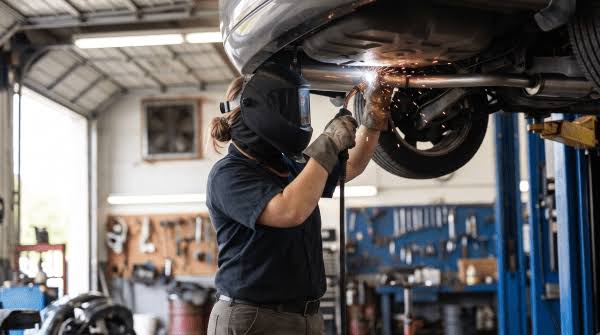

Choosing performance parts can be exciting, but the best upgrade is not always the most powerful or expensive option. Every vehicle has different requirements, and the right parts should match the engine, transmission, suspension, driving conditions, and owner’s goals. A thoughtful approach can improve performance while preserving reliability and everyday usability.
Define Your Main Goal
Start by deciding what you want to improve. Better acceleration, sharper handling, stronger braking, improved cooling, and a more responsive engine may require completely different parts. A clear goal prevents unnecessary purchases and helps you build a balanced setup instead of upgrading one area while creating limitations somewhere else.
Check Compatibility
Performance parts must be compatible with the exact vehicle configuration. Model year, engine type, transmission, drivetrain, and existing modifications can all affect fitment. Always verify manufacturer specifications before purchasing a component. Installing a part simply because it fits physically does not guarantee that it will work properly with the rest of the vehicle.
Consider Supporting Components
Some upgrades work best when paired with supporting modifications. For example, additional engine power may increase the demand placed on cooling, braking, tires, or drivetrain components. A balanced build considers these factors together. This approach can help maintain predictable performance and reduce the chance of creating a weak point elsewhere in the vehicle.
Think About Daily Driving
A part designed primarily for competition may not be ideal for a daily driver. Extremely aggressive suspension, loud exhaust systems, or highly specialized components can affect comfort and practicality. Before choosing an upgrade, consider traffic, road quality, weather, fuel economy, and how often the vehicle will actually be driven hard.
Research Quality and Installation
Look for products with clear specifications and a reputation for consistent manufacturing. Reviews can provide useful real-world information, but they should not replace compatibility checks. Installation quality is equally important. Some components can be installed easily, while others require specialized tools, calibration, or professional expertise.
Plan Your Budget
Performance upgrades can become expensive when supporting parts and installation are included. Create a realistic budget before beginning and prioritize changes that directly support your main objective. Buying fewer quality components is often more practical than collecting several inexpensive parts that do not work well together.
Think About Future Maintenance
A performance part should be evaluated not only by what it does after installation but also by how it affects future maintenance. Some specialized components require more frequent inspection or replacement. Understanding these requirements before purchasing helps prevent unexpected costs.
Final Check
Compare specifications, fitment, installation requirements, and total cost before ordering. A clear plan helps you spend money on upgrades that support your actual driving goals rather than adding unnecessary modifications.
The right performance parts should improve the vehicle without creating unnecessary compromises. Define your goal, confirm compatibility, consider supporting systems, and select components that fit your driving style. Reputable automotive suppliers such as AroSpeed can be useful when researching parts for a performance-focused project.
A successful build is not simply about adding power. It is about creating a vehicle where the major systems work together reliably and predictably.