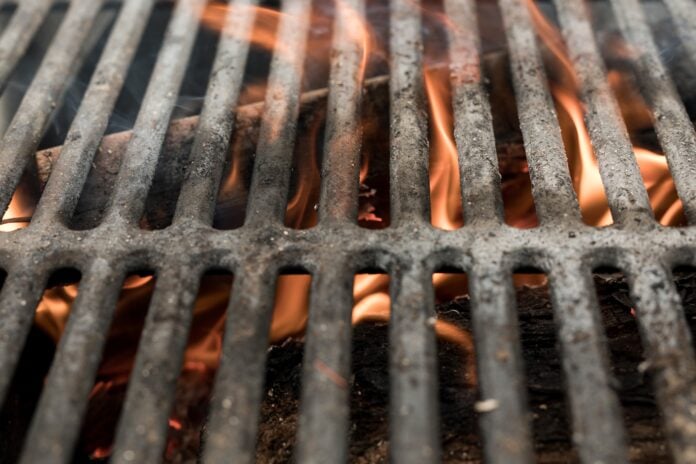

If your kitchen suddenly feels like it’s under a haze every time you fire up the charbroiler, you’re not imagining it. Excessive smoke isn’t just an annoyance—it’s a sign that something in your setup or routine needs attention. A properly functioning charbroiler should produce a manageable amount of smoke, not billow enough to trigger the fire alarm or send your staff reaching for the nearest window.
Understanding why this happens is the first step toward fixing it. The good news: most smoke problems come down to a handful of common culprits, and nearly all of them are fixable without calling in a technician.
Grease Buildup Is Usually the Main Culprit
The number one reason commercial charbroilers produce excessive smoke is grease accumulation. As fat drips from cooking meat, it collects in the grease trays, on the radiants, and along the grates. When that grease reaches high temperatures repeatedly without being cleaned, it starts to carbonize and smoke excessively, even during normal cooking.
Radiants and grates are particularly prone to buildup because they sit directly in the path of dripping fat. Over time, this residue hardens into a sticky, blackened layer that smokes heavily and can even affect the flavor of your food. If you’ve noticed more smoke than usual over the past few days or weeks, check these components first.
The fix: Establish a consistent cleaning schedule. Grease trays should be emptied daily, and radiants and grates need a thorough scrubbing at least once a week, depending on your volume. Letting buildup sit for too long makes it harder to remove and increases the smoke output significantly.
Improper Ventilation Makes Everything Worse
Even a charbroiler in perfect working condition will produce noticeable smoke if your ventilation system isn’t doing its job. Commercial kitchens rely on exhaust hoods to pull smoke, grease particles, and heat away from the cooking surface and out of the building. When that system is underperforming, smoke lingers and appears far more intense than it actually is.
Common ventilation issues include clogged filters, insufficient exhaust fan speed, or a hood that wasn’t sized correctly for the equipment beneath it. Filters coated in grease restrict airflow, forcing your kitchen to deal with smoke that should have been vented outside.
The fix: Clean or replace hood filters regularly, and have your exhaust system inspected to confirm it’s pulling the appropriate cubic feet per minute for your equipment. If your charbroiler was added or upgraded after the hood was installed, it’s worth confirming the system was reassessed for adequate capacity.
Temperature Control Problems
Charbroilers that run hotter than intended will produce more smoke, plain and simple. Excess heat causes grease and fat to burn rapidly rather than render slowly, creating that acrid, heavy smoke that’s hard to ignore. This can happen when burners are miscalibrated, thermostats are malfunctioning, or staff are simply running the equipment at higher settings than necessary for the food being cooked.
The fix: Check that temperature controls are calibrated correctly and train staff to use the lowest effective heat setting for each type of food. Cooking at unnecessarily high temperatures not only increases smoke but also wears down components faster and wastes energy.
The Type and Quality of Food Matters Too
Fattier cuts of meat naturally produce more smoke than leaner options, simply because there’s more grease dripping onto hot surfaces. This isn’t necessarily a problem to “fix,” but it’s worth factoring into your expectations. If your kitchen recently changed suppliers or menu items, a shift toward fattier proteins could explain an uptick in smoke without any equipment issue at all.
The fix: Adjust cleaning frequency to match your menu. Kitchens serving fattier cuts regularly may need to clean radiants and trays more often than those serving leaner proteins.
Keeping Smoke at Manageable Levels
Excess smoke from a commercial charbroiler almost always traces back to grease buildup, ventilation shortfalls, temperature issues, or the food itself. The fixes are straightforward: clean consistently, verify your exhaust system is doing its job, keep temperatures in check, and adjust your maintenance routine to match what’s on the menu.
Staying ahead of these factors keeps your kitchen comfortable, your staff happy, and your charbroiler running the way it’s supposed to—producing great char-grilled flavor without the smoke show.