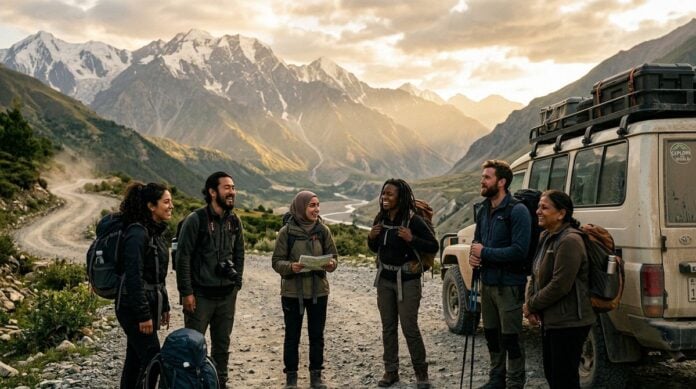

Modern travel frequently feels like a race against the clock. Travelers often rush between crowded lookout points, snap quick photos, and hurry onward to check off another popular attraction. While this fast-paced approach covers distance, it rarely leaves space for true rest or a genuine understanding of the landscapes we visit. Shifting your focus toward slower, nature-oriented exploration invites a deeper sense of wonder and restores calm to your time away.
An intentional outdoor trip invites you to experience a destination through its natural rhythms rather than a rigid schedule. Islands, in particular, provide an extraordinary setting for this kind of travel. Surrounded by water and sustained by distinct ecosystems, an island functions as a self-contained sanctuary where dense forests, coastal shores, and vibrant marine habitats thrive side by side.
Shift Your Mindset from Checklists to Connection
An essential step in planning a meaningful journey is letting go of the urge to see everything at once. When you treat travel as an endurance exercise, fatigue inevitably sets in, obscuring the delicate details of the environment around you. Choosing instead to immerse yourself in a distinct region allows you to notice subtle changes in coastal tides, bird songs at daybreak, and the quiet beauty of secluded walking paths.
Outdoor exploration thrives when your itinerary leaves generous room for spontaneity. Spending an afternoon watching hermit crabs traverse a quiet stretch of sand or sitting beneath a canopy of tropical palms can offer more personal restoration than any rushed sightseeing excursion. This slower cadence creates mental space, encouraging thoughtful reflection alongside physical adventure.
When travel becomes less about collecting landmarks and more about personal renewal, every trail and coastal path takes on deeper significance. Travelers seeking inspiration for soulful, immersive paths often turn to exploremysoul.com to discover how thoughtful, spirit-led routes turn ordinary trips into transformative milestones.
Choose Single Destinations with Diverse Ecosystems
Rather than hopping between multiple distant regions during a vacation, consider anchoring your stay in a naturally rich geography. Moving from place to place consumes valuable energy and keeps you on the surface of local culture and terrain. Settling into a single island base gives you the freedom to unpack, relax, and build a familiar relationship with your surroundings.
Islands often concentrate remarkable environmental variety within relatively compact boundaries. In the span of a single afternoon, you might hike through lush interior hills, explore freshwater mangrove estuaries, and swim above vibrant coral formations. This geographical concentration minimizes transit time and maximizes the hours you spend outdoors connecting with wildlife.
Instead of dividing your attention across multiple provinces, choosing a single island packed with diverse habitats allows you to observe rainforests, coral reefs, and limestone cliffs without constant packing. Travel enthusiasts looking to experience rich habitats in a concentrated spot can explore naturefocusthailand.com for examples of how a single island environment holds incredible natural richness.
Build a Flexible Daily Rhythm for Outdoor Discovery
A successful nature-focused itinerary relies on rhythm rather than strict hour-by-hour scheduling. In coastal and tropical environments, animal behavior and weather patterns shift dramatically throughout the day. Designing your activities around these natural fluctuations ensures more comfortable conditions and significantly better wildlife observation.
Begin your adventures during the early morning hours when temperatures remain cool and wildlife emerges to feed. Reserve the hotter midday period for shaded relaxation, reading, or quiet meals in open-air shelters. As the afternoon sun softens, return to the trails or paddle along calm coastal waters to witness the shifting colors of twilight.
Cultivating a few mindful habits can elevate your outdoor experiences from casual recreation into deep environmental immersion:
- Head out at daybreak when forest canopies and shoreline fringes bustle with animal activity.
- Carry reusable hydration equipment and durable gear to leave no waste along pristine pathways.
- Engage knowledgeable resident naturalists who understand seasonal migrations and regional vegetation.
- Dedicate quiet observation periods near tidal flats to witness marine creatures without disturbing their feeding.
Document Your Discoveries with Authentic Storytelling
Immersive journeys tend to evoke strong sensory impressions that deserve careful preservation. Keeping a dedicated travel journal allows you to record the scent of ocean breezes, the texture of weathered rock, and the subtle emotional shifts that accompany quiet days in nature. Writing down these reflections helps crystallize the lessons that wild places impart.
Beyond personal journals, many travelers find joy in sharing their observations with wider communities of outdoor lovers. Creating descriptive field notes, sketching endemic plants, or photographing coastal ecosystems creates lasting records that inspire others to appreciate fragile natural habitats. Sharing genuine, detailed accounts helps promote responsible travel practices across the broader community.
If your passion for outdoor exploration eventually inspires you to share detailed field guides or personal dispatches online, learning how to structure your platform matters. Reviewing building an authentic destination travel website will help you present your stories with depth and visual clarity.
Embrace Sustainable Habits That Protect Fragile Habitats
Islands are delicate ecological treasures where small disturbances can produce lasting consequences. When visiting remote beaches and forested trails, conscious visitors treat the surrounding habitat with utmost care. Sticking strictly to marked walking paths prevents soil erosion, protects vulnerable root systems, and avoids disturbing ground-nesting creatures.
Marine environments require equal sensitivity. Sun protection should rely on mineral formulations or protective clothing to safeguard delicate coral formations from harmful chemical runoff. When snorkeling or swimming, maintaining distance from sea turtles, reef fish, and fragile coral heads ensures that these underwater communities continue to flourish without disruption.
Supporting conservation-minded local enterprises reinforces the preservation of these remarkable landscapes. Choosing neighborhood family eateries, purchasing provisions from open-air markets, and hiring independent local boat captains directly benefits island communities. This mutually respectful exchange creates shared value, helping ensure that natural sanctuaries remain protected for generations to come.
Return Home with a Restored Perspective
A deliberate, nature-centered journey offers rewards that extend far beyond a typical holiday. When you slow down and align your days with the natural world, travel transforms from a hurried consumer experience into a grounding personal reset. The quiet memories gathered along island shores—the sound of gentle waves, the scent of damp earth, and the stillness of remote paths—linger long after you unpack your bags.
By prioritizing mindful presence, environmental stewardship, and deep engagement over hurried transit, you cultivate a travel philosophy that enriches your life. The natural world has a unique capacity to restore balance and clarity whenever we give ourselves permission to pause, observe, and truly listen.