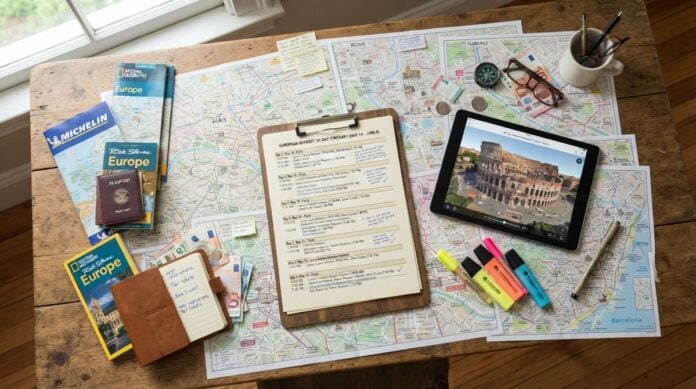

Many travelers experience a defining moment when an unfamiliar place truly opens up to them. It might happen while resting in the central square of a quiet hill town, sampling freshly baked bread from an early morning bakery, or following an unpaved footpath between rural settlements. These meaningful moments often inspire a desire to share discoveries with a broader audience. Creating a dedicated destination travel website provides a creative outlet while offering genuine guidance to people planning their own independent journeys.
The modern digital travel landscape contains countless generic summaries and repetitive lists that rarely reflect the ground-level reality of exploring a new region. Discerning readers look for dependable guidance that helps them understand local heritage, geographic features, and day-to-day logistics before they pack a bag. They want to know how a place feels, how to navigate its transit networks, and how to respect local customs.
Building a publication that stands apart requires a careful balance between evocative cultural exploration and sensible practical advice. When you present thorough regional insights alongside clear navigational tools, your site becomes a dependable resource rather than a superficial collection of photos. With thoughtful planning, you can establish an authentic digital publication that serves curious travelers for many seasons to come.
Define a Clear Geographic and Cultural Focus
Attempting to cover every popular vacation hotspot across multiple continents usually results in thin content that fails to connect with readers on a deeper level. Independent publishers find far greater resonance by narrowing their focus to a specific geographic territory, historic route, or cultural landscape. Specializing in a defined area allows you to capture the textures of everyday life that broad commercial guides overlook.
A specialized regional guide demonstrates the power of place-based documentation. For instance, an independent platform like montefeltro.net focuses on the distinctive heritage, rolling landscapes, and historic villages of a specific cultural area, giving travelers the context they need to appreciate their surroundings rather than simply passing through. Concentrating on a distinct territory enables a publication to share stories of architectural heritage, regional crafts, and seasonal landscape changes with authentic authority.
When your geographic scope is well defined, you can highlight family-owned workshops, traditional food producers, neighborhood markets, and lesser-known nature trails. Visitors appreciate knowing where to find quiet viewpoints away from dense crowds and how to connect with the local community in a considerate way. Establishing depth within a single territory turns your publication into a reliable companion for slow, curious travelers.
Structure Itineraries for Smarter Planning
Captivating photography and lyrical descriptions can inspire someone to take a trip, but travelers ultimately turn to digital guides to resolve practical logistical hurdles. A reader may be fascinated by the concept of exploring historic coastal towns or rugged upland trails, but they need to know how to move between destinations efficiently, what to pack for changing weather, and how to allocate their hours reasonably.
Blending practical logistics with vacation inspiration is an essential skill for any travel publisher. Resources like tourisme-turc.com illustrate how travel blogs can help readers travel smarter by offering concrete vacation planning tips and clear guidance that take the guesswork out of organizing a memorable trip. Demonstrating how to coordinate transportation, schedule sightseeing without fatigue, and navigate local arrangements makes travel more accessible for everyone.
When writing itinerary articles, break journeys down into manageable, realistic segments. Clarify which sights can be visited together without feeling rushed, outline public transit options clearly, and describe sensible alternative routes in case of unexpected delays. Thoughtfully structured itineraries reduce friction for travelers, allowing them to spend less energy worrying about schedules and more time appreciating the places they visit.
It is equally helpful to address the pace of travel directly. Encourage readers to leave unscheduled space in their daily plans for spontaneous wandering, resting in public gardens, or enjoying prolonged meals at neighborhood cafes. A practical itinerary should guide travelers smoothly through their days while remaining flexible enough to accommodate unexpected personal discoveries.
Organize Content to Enhance Discovery
As your collection of articles expands, intuitive site architecture becomes essential for maintaining an enjoyable user experience. Readers who land on your website looking for a specific packing list or train route should be able to discover related walking tours, regional culinary profiles, and lodging considerations without having to search through cluttered archives or confusing menus.
Structuring your pages thoughtfully also ensures that search engines can interpret the relationships between your articles. Incorporating practical techniques for internal linking to boost search rankings helps your most comprehensive destination guides remain discoverable to travelers searching for specific regional advice. Connecting relevant pieces allows your audience to move seamlessly from general regional introductions down to specific village walking routes.
Organize your articles around clear topical hubs. You can group content by sub-regions, seasonal activities, historic eras, or travel styles such as hiking and regional food traditions. Within each hub, link relevant articles together so that a reader researching a historic town center can effortlessly locate nearby nature walks, public transit hubs, or traditional dining spots.
Clear internal pathways encourage readers to spend more time exploring your library of guides. By establishing logical bridges between complementary topics, you help visitors piece together complete travel plans from your resources. This structured approach builds credibility and transforms first-time visitors into regular readers who return whenever they plan a journey.
Establish Dependable Editorial Standards
Travel conditions evolve continuously, which makes ongoing accuracy vital to the long-term reputation of your publication. Regional bus lines modify their timetables, rural walking paths undergo repairs, and local cultural monuments update their visiting procedures. Developing consistent editorial routines ensures that your readers always find accurate and useful guidance whenever they consult your pages.
- Verify operating hours and seasonal access policies on a regular schedule.
- Provide clear walking directions and practical public transit alternatives for each destination.
- Highlight respectful community customs, environmental guidelines, and local etiquette.
- Separate practical transit facts from descriptive reflections so readers find answers quickly.
- Update packing and gear recommendations to match distinct regional climates and terrains.
Maintaining these practical habits elevates your website from an informal personal scrapbook into a trusted travel publication. When readers discover that your walking directions, ticketing advice, and transit recommendations work smoothly in practice, they develop confidence in your editorial voice. Reliable information builds lasting trust with an audience of thoughtful travelers.
Engage Thoughtfully with Your Traveling Community
Travel is an interactive human experience, and an effective travel website should reflect that collaborative spirit. Creating straightforward ways for readers to ask questions, share their own observations, or report recent trail conditions enriches the entire publication. An active exchange of ground-level information keeps your content responsive to current realities.
When readers inquire about specific travel arrangements, such as navigating a rural bus connection or finding quiet accommodations during peak seasons, treat those questions as valuable editorial prompts. Answering these questions directly or using them to clarify existing articles ensures your resource addresses the real-world concerns of travelers heading to the region.
Building an enduring destination travel platform requires patience, attentive observation, and genuine respect for the communities you write about. By focusing on distinct territories, delivering dependable planning tools, and organizing your insights with care, you create an authoritative resource that enriches each journey your readers undertake.