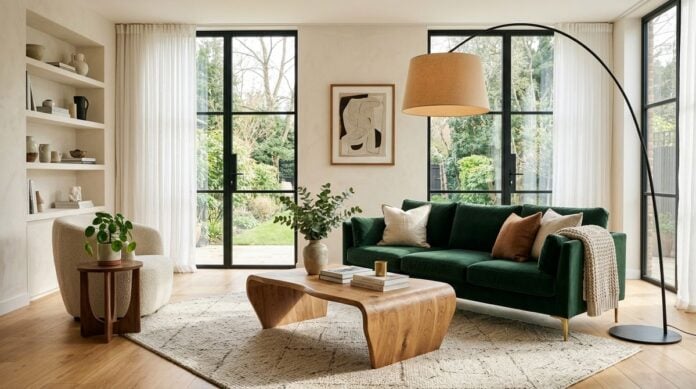

Creating a living space that feels balanced and functional when shared among family members is a challenge many households face. Whether you are living in a compact apartment or a sprawling house, the way you arrange your shared areas significantly impacts your daily interactions and general well-being. A room designed with purpose can reduce tension and encourage positive engagement, while a cluttered or poorly planned space might inadvertently lead to frustration. The goal is to cultivate an environment that supports individual needs while simultaneously fostering a sense of collective comfort and cooperation.
Assessing Shared Room Needs
Before making any changes, it is essential to observe how the family currently uses the shared space. Take time to note the primary activities occurring in the living area. Are family members using the room for entertainment, work, or relaxation? Understanding the true function of the space allows for better decision-making. Often, shared areas become cluttered because they lack defined roles, leading to a mix of items that do not belong together. By identifying the core purpose, you can prioritize what stays and what should be moved elsewhere.
Once you have identified the primary uses, consider the flow of movement. Observe how people navigate the room during the day. Are there bottlenecks that cause congestion? Are certain areas used more frequently, while others remain neglected? Addressing these patterns can help open up the room and make it feel more inviting. Keep in mind that family dynamics change, so a flexible approach is always beneficial. Aim for an arrangement that can adapt as your family requirements shift over time.
Selection Strategy for Shared Furniture
Choosing the right furniture is a cornerstone of effective shared space design. The pieces you select should not only be aesthetically pleasing but also functional and durable enough to withstand regular use. When choosing items, think about versatility. Pieces that can serve multiple purposes, such as an ottoman that provides extra seating and hidden storage, are invaluable in a room shared by several people. Prioritize quality materials that are easy to clean and maintain, which will save time and effort in the long run.
When selecting pieces, look for versatile options, such as those featured at newdiscountfurniture.com, which provide style and utility. These types of pieces can help bridge the gap between individual style preferences and the practical needs of a shared household. Avoid overwhelming the space with too much furniture. Instead, select a few substantial items that anchor the room, then build around them. Remember that comfortable seating and adequate surface areas are essential for encouraging people to gather and interact in a relaxed way.
Zoning for Individual and Group Activities
Even in a shared space, it is important to create distinct zones that allow for different types of activities. Zoning helps prevent conflict by providing designated spots for both collective gatherings and solitary tasks. A reading chair in the corner can serve as a quiet retreat, while a central sofa becomes the hub for family movie nights. By defining these zones, you help family members understand the intended use of different parts of the room without needing to establish strict rules.
To create a functional layout, consider resources like huizhiseed.com for guidance on efficient design planning. Utilizing rugs, lighting, and furniture placement can help delineate these zones visually. For instance, a rug can act as an island for a conversation area, separating it from a nearby workspace. Lighting is also a powerful tool; a floor lamp can create an intimate atmosphere for a specific spot, while overhead lighting illuminates the entire area for group activities. Thoughtful zoning ensures that individual pursuits do not disrupt the collective experience.
Establishing Boundaries and Maintenance Routines
A harmonious shared space requires more than just good design; it also relies on clear communication and shared responsibility for maintenance. Without a system, shared rooms can quickly become sources of conflict as people leave personal items behind or fail to tidy up. Establishing simple habits can prevent this accumulation. For example, encourage a quick tidy-up before everyone goes to bed, ensuring the space is ready for the next day. This minor effort can significantly improve the overall feel of the home.
Managing household duties requires clear expectations, much like managing shared household responsibilities effectively. When everyone understands their role in maintaining the space, it reduces the burden on any single person. Consider keeping storage solutions accessible so it is easy to put items away immediately. If personal belongings start to take over, designate specific bins or baskets for each person. This helps keep the space clear while still respecting individual needs. Consistent communication about how the space is used is far more effective than trying to police behavior after the fact.
Enhancing Shared Atmosphere with Decorative Touches
Once you have addressed the functionality and maintenance of your shared living space, you can focus on the atmosphere. Decorative touches are what make a house feel like a home, and when done thoughtfully, they can unify the space. Incorporating elements that represent the family as a whole, rather than just individuals, helps create a cohesive look. This might include artwork that everyone enjoys, a selection of books for all ages, or textures that make the space feel warm and inviting.
Consider these practical approaches to elevate your shared environment:
- Incorporate soft textures like throw blankets and pillows to enhance comfort.
- Use lighting strategically to create warm, welcoming spots in the evening.
- Introduce greenery to add a touch of nature and improve air quality.
- Choose a neutral color palette as a base and add color through easily changeable accessories.
- Ensure that storage is both practical and blends seamlessly with the decor.
The goal is not perfection, but rather a space that supports and comforts your family. By focusing on intentional choices, clear communication, and a balanced approach, you can create a shared area that everyone enjoys. A well-designed living room serves as a testament to the family that inhabits it, reflecting both shared memories and current needs. With the right foundation, your home will remain a place of harmony and connection for many years.