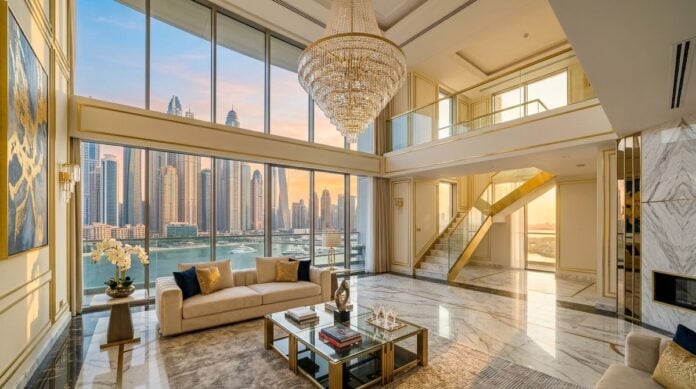

The modern home has evolved into a versatile environment that serves many functions throughout a single day. A living room might act as a workspace during the morning hours, a school room for children in the afternoon, and a relaxing lounge in the evening. Because these spaces are asked to do so much, the lighting design must be equally flexible. Relying on a single ceiling light fixture often fails to meet the needs of these diverse activities, resulting in a space that feels either too harsh or inadequately lit for specific tasks.
The Three Layers of Effective Lighting
To create a truly adaptable environment, you should think about your lighting in three distinct layers. This approach allows you to adjust the atmosphere based on how you are using the room at any given moment. The first layer is ambient lighting, which provides a general level of illumination for the entire area. This is typically achieved through overhead fixtures or recessed lighting and establishes the base comfort level of the room.
The second layer is task lighting, which provides concentrated illumination for specific activities like reading, cooking, or working at a desk. When upgrading your home to improve its daily flow and overall livability, focusing on these functional areas is essential. You can find many practical suggestions for enhancing your environment at thehomezoo.net, which offers advice for homeowners looking to make their living spaces work harder for them.
The third layer is accent lighting, which serves a purely aesthetic purpose. This could involve wall sconces to highlight artwork, track lights aimed at architectural details, or under-cabinet lights in a kitchen. Accent lighting adds depth and interest to a room, preventing it from appearing flat or uninviting. By combining these three layers, you create a lighting scheme that is as dynamic as the activities taking place within the room.
Adapting Lighting for Multi-Use Spaces
When a space must switch between multiple roles, the key to success is control. Dimmer switches are perhaps the most valuable tool in any lighting designer’s toolkit. By installing dimmers, you can instantly alter the mood of a room, taking it from a bright, productive space for office work to a soft, warm environment for entertaining guests or unwinding at night. This simple change allows the same set of fixtures to perform multiple functions without requiring you to switch them out.
Zoning Through Light
If you have an open floor plan, lighting can help define different functional zones. You can create a clear boundary between a dining area and a living area simply by using different types of fixtures. For example, a statement pendant light positioned directly over a dining table immediately identifies that zone as a place for meals, regardless of what is happening in the rest of the room. A floor lamp near a comfortable chair creates a distinct reading nook within a larger multi-purpose space.
Furthermore, consider the directionality of your light fixtures. Directional lighting, such as adjustable spotlights or track lighting, allows you to focus illumination precisely where it is needed most. If your dining table also doubles as a homework station, adjustable lights can be directed toward the surface for better visibility during the day, then turned upward or toward walls to create a softer, more atmospheric glow for dinner.
Integrating Natural Light into Your Strategy
While artificial lighting is crucial, it should work in harmony with the natural light available in your home. The way you arrange your furniture in relation to windows significantly impacts how effective your lighting scheme is throughout the day. You should prioritize placing workspace areas, such as desks or craft tables, near windows to maximize exposure to natural sunlight.
However, managing natural light also requires effective window treatments. Sheer curtains can soften bright, direct sunlight that might cause glare on screens or fade furniture, while heavier curtains or blinds can block out light completely when you need to darken a room for presentations or movies. Successfully managing this balance is a crucial skill for any home designer, as detailed in our guide on balancing natural light and artificial sources, which offers further reading on creating a cohesive home environment.
Considerations for Custom Home Builds
If you are in the planning stages of building your own home, you have the unique opportunity to integrate lighting design from the very beginning. This is significantly easier and more cost-effective than trying to retrofit lighting solutions into an existing structure. You can plan for the necessary electrical outlets and wiring in the walls, floors, and ceilings while the home is still in the framing stage, ensuring you have the flexibility to add lamps, sconces, or ceiling fans exactly where you will need them later.
During the design phase, think carefully about the orientation of your home. A room that receives a lot of morning light may require less artificial lighting in the morning but might need better blackout options for afternoon rest. For those preparing to undertake such a project, you can find a comprehensive, step-by-step approach to navigating the design and build process at Designwithdeb.com, where the focus is on helping homeowners successfully build their dream house.
Practical Implementation Steps
Upgrading your home’s lighting does not have to be an overwhelming project. By breaking it down into smaller, manageable steps, you can make significant improvements over time. Start by evaluating the current lighting in each of your main rooms and identifying where your needs are not being met.
- Assess each room for its primary and secondary functions.
- Install dimmer switches on existing overhead fixtures for immediate control.
- Add a task lamp to areas where you perform detailed work or read.
- Utilize accent lighting to emphasize decorative elements and add depth.
- Adjust furniture placement to optimize access to natural daylight.
Once you have identified the gaps, begin with the easiest and most impactful changes, such as upgrading bulbs or adding floor and table lamps. These additions do not require complex electrical work but can drastically change how you perceive and use your space. Over time, you can tackle larger projects like installing new hardwired fixtures or adding more robust task lighting in areas like the kitchen or home office.
Lighting is one of the most transformative elements of home design, yet it is often overlooked until it becomes a problem. By shifting your perspective from merely having “enough light” to creating a flexible, layered lighting strategy, you can significantly enhance the functionality and comfort of your living spaces. Whether you are improving a current home or designing a future one, thoughtful planning allows you to create an environment that effortlessly supports your daily activities.