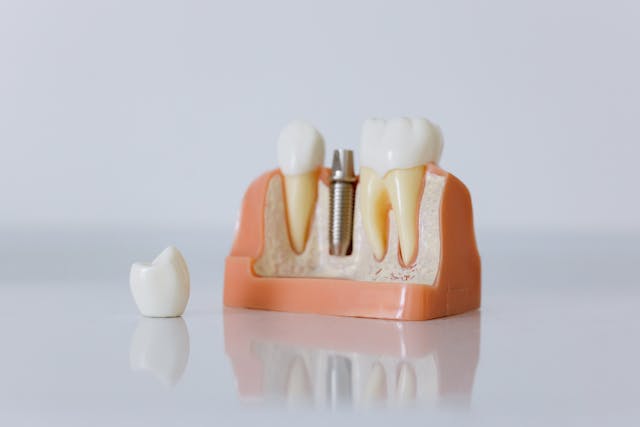

Recovering from dental implant surgery is a significant step toward restoring your smile and oral function. While the procedure itself is carried out with precision and care, the post-operative period is just as crucial for ensuring a successful outcome. A common question we hear from patients is, “What can I eat after my implant surgery?” Understanding which foods to eat and which to avoid is essential for a smooth and comfortable healing process.
This guide is designed to provide you with a clear roadmap for your diet following dental implant surgery. We will walk you through the different phases of recovery, from the first 24 hours to the weeks that follow. Our goal is to help you feel confident and prepared, so you can focus on healing properly while still enjoying nourishing meals.
By following these dietary recommendations, you can protect the surgical site, minimize discomfort, and support your body’s natural healing abilities. Let’s explore how you can eat comfortably and safely on your journey to a new, beautiful smile.
The First 48 Hours: Focusing on Soft, Cool Foods
The initial 48 hours after your dental implant procedure are the most critical for healing. During this time, your gums and jaw will be sensitive, and some swelling or minor discomfort is normal. The primary goal is to protect the surgical area from irritation and pressure. To achieve this, your diet should consist exclusively of cool, soft, and liquid foods that require no chewing.
Chewing can dislodge the blood clot that forms over the surgical site, which is vital for proper healing. It can also place unnecessary stress on the new implant. Sticking to a liquid and soft-food diet ensures the area remains undisturbed.
Here are some excellent food choices for the first two days:
- Smoothies and Shakes: These are ideal for getting nutrients without any effort. Blend soft fruits like bananas, avocados, or berries with yogurt, milk, or a protein powder. Avoid using a straw, as the suction can disrupt the healing site. Instead, sip directly from the glass.
- Chilled Soups: Cool soups like gazpacho or a chilled cucumber and avocado soup are both refreshing and easy to consume. If you prefer a warmer soup, ensure it is lukewarm, not hot, as high temperatures can increase swelling.
- Yogurt and Applesauce: Plain yogurt, Greek yogurt, and unsweetened applesauce are gentle on your mouth and require no chewing. They are also cool, which can help soothe any inflammation.
- Pudding and Jell-O: These simple, soft treats can be a comforting and easy way to get some calories in when you don’t feel like eating much.
- Meal Replacement Shakes: For a convenient and balanced option, consider nutritional drinks. They are packed with vitamins and minerals that support your body’s recovery.
During this period, it’s equally important to know what to avoid. Steer clear of hot foods and beverages, crunchy or hard items (like chips, nuts, and raw vegetables), and spicy or acidic foods that could irritate the sensitive tissues.
Weeks 1-2: Transitioning to Semi-Solid Foods
As you move past the initial 48-hour mark, you can gradually start reintroducing more substantial foods into your diet. Your mouth will still be healing, so it’s important to continue avoiding anything hard, crunchy, or chewy. The focus now shifts to soft foods that are easy to cut with a fork and require minimal chewing.
At this stage, you are helping your jaw and gums adapt while still protecting the implant as it integrates with the bone. Rushing back to your normal diet too soon can compromise the healing process and lead to complications. Listen to your body; if something causes discomfort, it’s best to wait a little longer before trying it again.
Here is a list of foods you can begin to incorporate during the first two weeks post-surgery:
- Eggs: Scrambled, poached, or soft-boiled eggs are an excellent source of protein and are very easy to eat.
- Oatmeal and Cream of Wheat: These warm cereals are soft and satisfying. Prepare them with milk or water until they are a smooth consistency.
- Mashed Potatoes: A classic comfort food, mashed potatoes are a great option. You can also try mashed sweet potatoes or cauliflower for variety.
- Soft Fish: Flaky fish like cod, tilapia, or salmon can be baked or steamed until tender. Fish is a great source of omega-3 fatty acids, which can help reduce inflammation.
- Cooked Vegetables: Steam or boil vegetables like carrots, peas, and squash until they are very soft. You can mash them or cut them into small, manageable pieces.
- Soft Fruits: Ripe bananas, peaches without the skin, and melon are good choices. You can also enjoy fruit purees and compotes.
- Pasta and Rice: Well-cooked pasta and rice can be added to your meals, as long as they are soft. Consider pairing them with a smooth sauce.
Continue to avoid foods that require significant chewing effort, such as steak, crusty bread, raw apples, and popcorn. Also, be cautious with small, hard items like seeds and nuts, which can get lodged in the surgical site and cause irritation or infection.
Beyond Two Weeks: Gradually Returning to a Normal Diet
After the first two weeks, you will likely notice a significant improvement in comfort and healing. This is the time when you can start to slowly reintroduce a wider variety of foods back into your diet. The key word here is “gradually.” Your implant is still undergoing osseointegration, the process where it fuses with your jawbone. This process can take several months, so being mindful of your diet remains important.
Start with foods that are slightly firmer but still not overly hard or tough. A good rule of thumb is to try chewing on the opposite side of your mouth from where the implant was placed. Pay close attention to how your jaw feels. If you experience any pain or discomfort, revert to softer foods for a few more days before trying again.
Foods to slowly reintroduce after the two-week mark:
- Tender Meats: You can begin to eat soft-cooked chicken, ground meat, and other tender cuts. Cut them into small pieces to make chewing easier.
- Softer Breads: Soft sandwich bread can be reintroduced, but avoid crusty rolls or bagels for a while longer.
- Cooked and Raw Vegetables: You can start eating a wider range of vegetables. While you can introduce some raw vegetables like cucumbers, continue to avoid very hard ones like raw carrots for a bit longer.
- Fruits: Most fruits should be fine to eat now, though you should still be cautious with very hard fruits like apples. Cutting them into thin slices can make them easier to manage.
As you approach the three-month mark, your implant should be well-integrated, and you can typically return to your normal diet without restrictions. However, it’s always best to follow the specific guidance provided by your dental professional. They will monitor your progress and let you know when it is completely safe to resume eating all your favorite foods.
Your Partner in Dental Health
Navigating the recovery period after dental implant surgery is a team effort, and our team is here to support you every step of the way. By following a careful dietary plan, you help ensure the long-term success of your new smile. Proper nutrition not only aids in healing but also contributes to your overall well-being during recovery.
Remember to be patient with yourself and the healing process. Your new, permanent smile will be well worth the temporary dietary adjustments. If you have any questions or concerns about your recovery or what to eat, please do not hesitate to contact our office for guidance.
At Mark S. Roisman, DMD, a trusted provider of dental implants in Westport, CT, we prioritize patient comfort and exceptional care. We specialize in advanced dental treatments, including dental implants, to restore smiles with precision and confidence. Our team is dedicated to creating a welcoming environment where your oral health needs are met with professionalism and personalized attention. Contact us today to learn more and schedule an appointment.