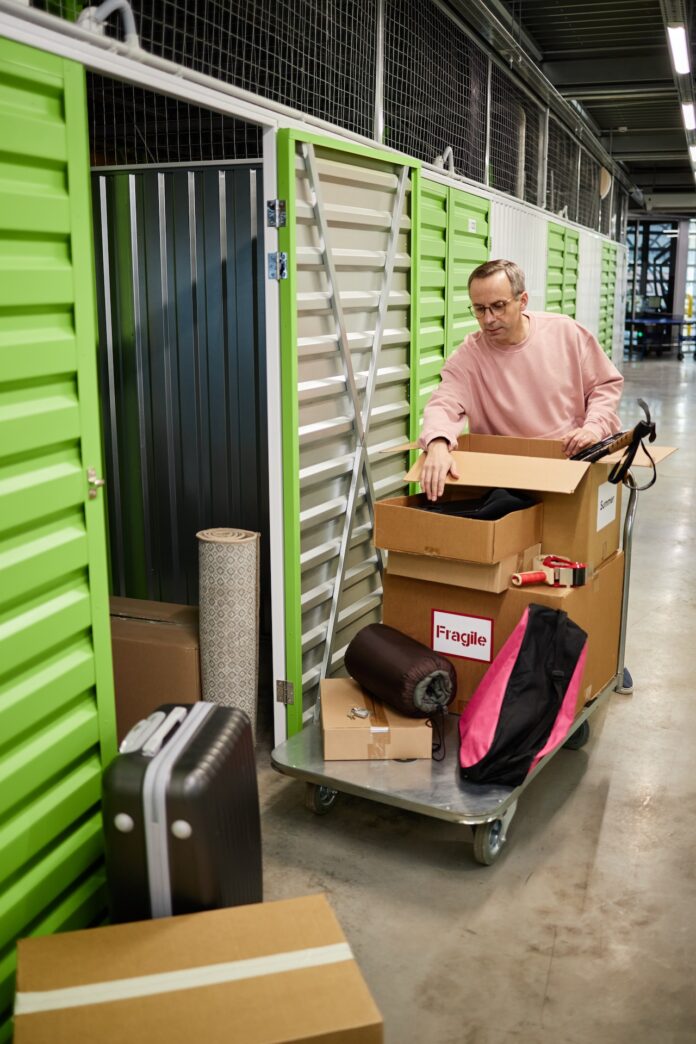

A small storage unit can be a powerhouse of organization—if it’s set up correctly. But without a plan, it can quickly transform into a tightly packed cave where your holiday decorations, keepsake boxes, and seasonal clothing disappear into the abyss. The key to avoiding that chaos? Prioritizing access. When you plan your unit with retrieval in mind, you save time, reduce frustration, and keep your belongings safe. Here’s how to design a small storage unit that works with you, not against you.
Start With a Clear Vision of What You’ll Access Most
Before you load a single box, think about the items you’ll need to reach most often. Seasonal bins, business supplies, sports equipment, or tools should be placed toward the front or at eye level so you can grab them without digging.
On the flip side, items you rarely need—like archived documents or keepsakes—can go toward the back or bottom of stacks.
Ask yourself:
- What will I need monthly?
- What will I need only once or twice a year?
- What can stay buried long-term?
This simple assessment shapes your layout from the start.
Create a Central Aisle (Even a Small One)
One of the biggest mistakes in small-unit planning is packing everything wall-to-wall with no room to move. Even in a 5×5 space, try to leave a narrow aisle or an open “U” shape around the perimeter.
This small buffer allows you to:
- Reach items without unloading half the unit
- Prevent damaging or crushing fragile bins
- Avoid unsafe stacking or stretching
A little open space goes a long way in a compact unit.
Use Vertical Space Like a Pro
Floor space is limited, but the vertical space? That’s your secret weapon.
Use shelving units whenever possible—they instantly transform your storage strategy. Shelves help you:
- Keep boxes labeled and visible
- Prevent heavy stacks from toppling
- Avoid the dreaded bottom-box-crush
If shelves aren’t an option, stack bins of the same size for stability. Keep heavier items on the bottom, lighter items on top, and items you’ll access often at a reachable height.
Label Everything (Front AND Top)
Nothing slows down retrieval faster than unmarked boxes. Labeling the front and the top of each bin ensures you can spot what you need no matter how it’s stacked.
Make labels clear and specific:
- Not “Winter Stuff”—instead, “Winter Décor: Wreaths, Lights, Garland”
- Not “Kitchen”—instead, “Kitchen Appliances: Slow Cooker, Blender, Waffle Iron”
It takes seconds now and saves endless hassle later.
Plan Zones Inside Your Unit
Think of your storage unit like a miniature warehouse. Creating zones helps you organize by purpose and frequency of use.
Try grouping items into categories such as:
- Seasonal décor
- Outdoor gear
- Business or office supplies
- Sports equipment
- Household overflow
When everything has a “home,” you avoid mixing unrelated items and make retrieval faster and more intuitive.
Keep a Unit Map—Yes, It Works
This one is often overlooked, but it’s a game-changer: keep a simple map or inventory list of where things are stored. Tape it to the inside wall or keep a photo on your phone.
Your map can be basic:
- Left wall: Shelving—seasonal décor
- Back wall: Furniture & long-term storage
- Right wall: Sports gear, tools, and easy-access bins
This helps you stay organized even after months away.
Avoid Overpacking—Leave Room for the Future
Even small units benefit from a little breathing room. If your unit is so full that you have to unload half of it to reach anything, it defeats the purpose of renting it.
Aim for 10–20% free space so you can:
- Add new items when needed
- Rearrange without a full clear-out
- Move safely inside the unit
A too-tight space becomes stressful instead of helpful.
Set Up Your Unit for Success From Day One
Access isn’t just about convenience—it’s about making your storage unit work efficiently for your lifestyle. By planning zones, using vertical space, labeling clearly, and keeping pathways open, even the smallest unit can feel organized and usable.
With the right setup, retrieving what you need becomes effortless. No digging, no heavy lifting, no surprises. Just smooth, smart storage—exactly the way it should be.