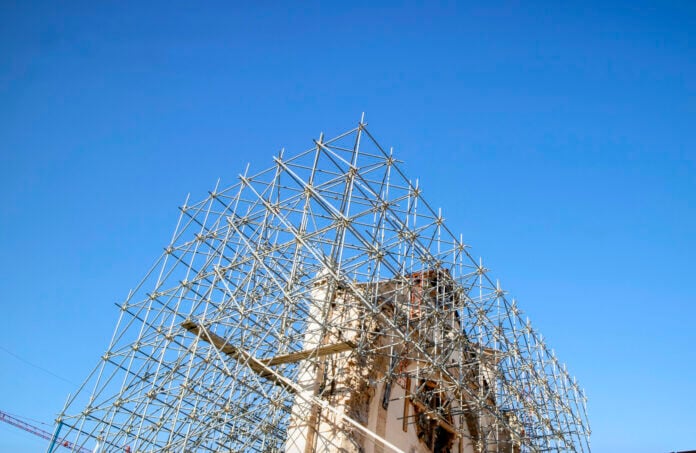

A church building carries the weight of decades, sometimes centuries, of worship, weddings, funerals, and fellowship. When that building starts showing its age, leadership faces a difficult reality: the sanctuary needs work, but shutting down operations for months isn’t an option. Congregations still need a place to gather every Sunday. This is where phased renovation becomes not just a construction strategy but a ministry necessity.
Approaching a renovation in phases allows a church to upgrade its facilities without disrupting the rhythms of community life that make it a spiritual home in the first place. Done thoughtfully, this approach protects both the budget and the congregation’s sense of continuity.
Start with a Master Plan, Not a Wish List
Before any walls come down, church leadership should work with a contractor experienced in faith based construction to develop a comprehensive master plan. This is different from a simple list of desired upgrades. A master plan considers the entire building holistically, mapping out how each phase connects to the next, even if the full project will take years to complete.
Without this big-picture view, congregations risk making decisions in phase one that create costly problems in phase three. For example, updating electrical systems without considering future HVAC needs might mean tearing into the same walls twice. A unified plan prevents this kind of redundant work and keeps long-term costs down.
Prioritize Based on Safety and Function
Once a master plan exists, the next step is sequencing. Not every project carries the same urgency, and church leaders should work with their construction partner to rank priorities based on safety, function, and mission impact.
Structural issues, roofing problems, and code compliance concerns typically come first since they affect the safety of everyone who walks through the doors. After safety, focus often shifts to functional spaces that support daily ministry operations, such as classrooms, offices, or fellowship halls. Aesthetic upgrades, while meaningful, usually come later in the sequence since they don’t carry the same risk if delayed.
This prioritization also helps when funding arrives in waves through capital campaigns rather than as a lump sum. Knowing what must happen first makes it easier to allocate resources as they become available.
Schedule Around the Church Calendar
Unlike a commercial office building, a church has predictable high-traffic seasons. Holidays, revival weeks, weddings, and other significant gatherings dictate when construction activity should ramp up or pause. A contractor familiar with faith based construction understands these rhythms and builds a schedule that respects them.
This might mean concentrating noisy or disruptive work during weekdays and pausing major demolition before a big holiday service. Clear communication between the construction team and church staff ensures that worship, education, and outreach programs continue without unnecessary interruption.
Communicate Transparently with the Congregation
A phased renovation touches more than just the building; it touches the people who call that building home. Members will notice scaffolding, hear construction noise, and navigate temporary changes to entrances or gathering spaces. Keeping the congregation informed throughout the process builds trust and reduces frustration.
Regular updates, whether through bulletins, newsletters, or announcements, help members understand why certain areas are inaccessible and what progress has been made. When people see the vision behind the disruption, they’re more likely to remain patient and even excited about what’s coming.
Build Flexibility into Each Phase
Even the best-laid plans encounter surprises. Older buildings often reveal hidden issues once walls open, whether it’s outdated wiring, water damage, or structural surprises. A phased approach should include contingency planning, both in budget and schedule, to absorb these unexpected discoveries without derailing the entire project.
Working with a construction partner who understands the unique demands of religious facilities makes this flexibility easier to manage. They anticipate the kinds of issues common in older sanctuaries and build buffers into the timeline accordingly.
Celebrate Milestones Along the Way
Finally, don’t wait until the entire renovation is complete to celebrate progress. Marking the completion of each phase, whether it’s a renovated fellowship hall or an upgraded sanctuary sound system, gives the congregation tangible proof that their patience and investment are paying off.
These milestones also serve as natural opportunities to reengage donors and volunteers for the next phase, keeping momentum alive throughout what might be a multi-year journey. A church renovation approached in phases, with careful planning and open communication, ultimately strengthens the building and the community within it.