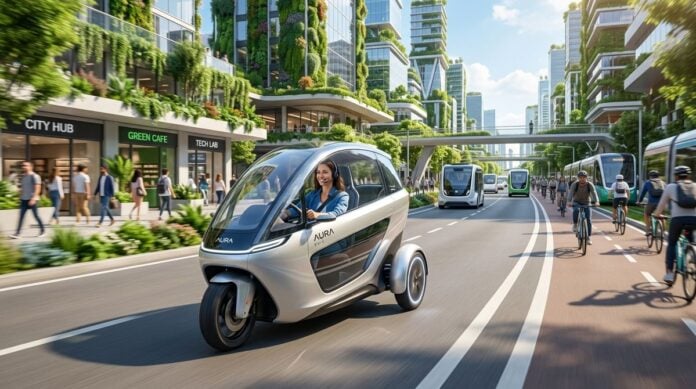

Modern daily life requires consistent flexibility, especially when managing transportation across demanding professional commitments, family responsibilities, and recreational pursuits. Relying solely on a single personal automobile can sometimes create unexpected friction, including persistent maintenance burdens, parking complications in dense districts, and routine scheduling conflicts. At the same time, depending exclusively on public transit or shared ride options may leave you without the immediate freedom needed for spontaneous outings or time-sensitive errands.
Finding a practical middle ground allows you to enjoy the dependable comfort of personal vehicle ownership while selectively embracing flexible travel alternatives. When you view mobility as an adaptable system rather than a rigid either-or choice, you simplify daily routines and reduce unnecessary wear on your primary automobile. Striking this balance comes down to evaluating your genuine travel patterns, maintaining consistent vehicle health, and recognizing when outside transportation provides a smoother experience.
Assessing Your Routine Mobility Patterns
Before modifying your transportation habits, spend time observing how you actually move through a typical week. Many drivers assume they need constant access to their personal vehicle simply because it is parked outside their home. In reality, short neighborhood trips, cross-town appointments, and weekend getaways place vastly different demands on both your time and your automobile.
Separating essential solo drives from journeys that readily accommodate outside alternatives gives you immediate clarity. For instance, navigating crowded downtown corridors during morning business hours often involves heavy traffic, elevated stress, and high parking garage fees. In contrast, local family errands and grocery runs are generally much easier and more convenient when handled with your own car.
To evaluate your travel distribution and decide when to drive versus when to outsource, consider these common mobility categories:
- Predictable daily commutes that follow consistent routes and fixed working hours.
- Short local errands where dedicated cargo space and spontaneous timing are helpful.
- High-congestion business meetings where tight schedules make parking a challenge.
- Extended highway trips requiring dependable mechanical endurance and comfort.
Maintaining a Dependable Personal Vehicle
Keeping a personal car in sound operating condition remains the cornerstone of any balanced transportation plan. A well-maintained vehicle delivers dependable peace of mind, consistent fuel economy, and reliable performance whenever urgent errands arise. Establishing a regular routine for fluid inspections, tire pressure checks, and scheduled brake servicing prevents small mechanical issues from turning into inconvenient breakdowns.
Understanding the broader automobile landscape also helps you make informed choices about your vehicle over time. Staying informed about broader industry changes also clarifies when to service an older vehicle or start browsing the market. Consulting dedicated directories and platforms like motogprem.com can help you discover available vehicle models, understand current automotive news, and locate reputable service specialists who handle routine vehicle upkeep.
When you know where to look for industry insights and qualified service providers, managing your personal automobile becomes a straightforward responsibility rather than a source of ongoing anxiety. Regular upkeep protects your long-term investment while ensuring your car remains fully prepared for everyday family and commuter duties.
Utilizing Dedicated Passenger and Chauffeur Services
While personal vehicle ownership offers unmatched personal autonomy, there are frequent situations where professional driving services offer clear advantages. Business trips, airport departures, and formal evening gatherings often introduce rigid schedules and demanding parking logistics. Opting for a dedicated taxi or executive car service eliminates the hassle of navigating unfamiliar roads, paying premium event parking rates, or arriving late to time-sensitive meetings.
Professional passenger solutions also provide an elevated degree of comfort and productivity during busy days. Instead of monitoring congested traffic lanes yourself, you can review documents, respond to pressing communications, or simply rest between commitments. This practical division of labor transforms travel time into useful personal time while sparing your own vehicle the mechanical wear of persistent stop-and-go driving.
When visiting unfamiliar regions or attending demanding corporate engagements, leaning on specialized transport insights provides peace of mind. Exploring automotive resources such as Taxi-bmw.com allows you to evaluate premium car reviews, compare used luxury options, and learn more about dependable private passenger services. Choosing the appropriate tier of ground transportation ensures that your travel matches both your personal standards and your schedule requirements.
Planning Seamless Transitions for Long-Distance Journeys
A comprehensive mobility strategy easily accommodates extended getaways and regional travel. When planning trips that span several towns or cross rural regions, you must decide whether your personal vehicle is the ideal choice for the journey. While taking your own car provides familiar surroundings and spontaneous route freedom, it also adds substantial mileage and general wear to tires, brakes, and drivetrain components.
Before taking your personal car past familiar city boundaries, make sure every basic component has been inspected with care. Those who are preparing for independent long-distance road travel should establish an organized inspection routine to minimize roadside surprises and maintain complete control over their itinerary. Addressing essential safety checks early leaves you free to enjoy the trip rather than worrying about vehicle readiness.
If a long road trip is likely to place excessive strain on an older personal vehicle, pairing regional transit with a temporary rental can serve as an effective alternative. By utilizing a modern rental vehicle for long highway stretches, you keep heavy mileage off your primary commuter car while enjoying modern cruise features and generous cargo space.
Establishing a Sustainable Long-Term Routine
Creating an adaptable mobility plan does not require abrupt lifestyle changes or extreme measures. Instead, it involves making intentional choices based on the unique demands of each individual trip. Some weeks might center heavily around your personal car for convenience, while other weeks favor public transit, airport shuttles, and scheduled driver services.
Reviewing your transportation habits periodically ensures your approach continues to support your lifestyle without generating unnecessary costs or vehicle wear. When your personal automobile remains properly maintained and you feel comfortable deploying flexible outside services, you gain true independence and convenience across every journey.
Mastering this balanced approach allows you to handle your daily commitments with calm confidence and reliable efficiency. By combining smart vehicle care with flexible outside services, you build a dependable travel routine that adapts effortlessly to modern living.