

Ever wondered if a simple envelope method could help you control runaway spending? Imagine your money neatly sorted into clear, labeled pockets, each holding a part of your budget. Many families overspend simply because keeping track of every dollar can be tough.
This clever approach makes you pause and think before spending. It helps keep debts under control and shows you the progress you're making. With envelope budgeting, every purchase becomes a small step toward a stronger financial future.
Getting Started with Envelope Budgeting for Families
Envelope budgeting is a smart and simple way for families to handle their money each month. You divide your cash into different envelopes for things like food, gas, fun, clothes, and bills. When you use this system, you feel your money in your hands, which makes you think twice before buying something extra. I remember once checking my drive-thru coffee spending and being really surprised at how fast it added up!
This method helps your family stick to a spending plan and keeps track of every dollar. By using real cash, you see exactly where your money goes. It’s a handy trick to avoid falling into deep credit card debt like many households do. Watching cash leave an envelope makes spending more thoughtful and keeps your finances in check.
Here’s how to get started:
- Write down all the spending categories for your family.
- Set budgets based on your past spending.
- Take out the cash you need according to these budgets.
- Clearly label each envelope and fill them with the right amount of cash.
- Watch your spending and tweak your envelopes each month.
A few extra tips: Keep some small bills in each envelope so you’re not scrambling for change. And if you need to use a debit card because cash isn’t accepted, treat it like an envelope to keep the budgeting feel alive. Small steps like these can make envelope budgeting even more helpful for your household.
Customizing an Envelope Budget for Every Family Need

When planning your envelope budget, start by looking at how your family spends money and what everyone really needs. Pick clear expense groups that match your daily life. This practical plan covers everything from grocery shopping to managing utility bills and planning for childcare costs. For extra clarity, put costs that change each month into envelopes and leave your fixed bills like the mortgage or subscriptions on autopay. Doing this makes every dollar count and shows exactly where your money goes.
| Category | Sample Budget |
|---|---|
| Groceries | $600 |
| Gas | $200 |
| Entertainment | $150 |
| Clothing | $100 |
| Miscellaneous | $100 |
This approach gives you a flexible plan that grows with your needs. Look back on your past spending and think about any events on the horizon to adjust your envelope amounts. It’s a simple, clear way to keep your expenses on track and make sure your money is working for you.
Tracking and Adjusting Envelope Budgets for Ongoing Family Finance Success
Taking a look at your envelope budget every month is a great way to keep your family’s money plans on track. It’s like checking the pulse of your cash, comparing what’s left in each envelope with your receipts. Say, after a month of more dining out than expected, you might note, “Wow, I spent too much on takeout. Time to adjust!” This clear view helps you see where extra money is leaking out and spot any overspending.
Remember, changes in the season or when you get paid can really mix things up. Whether it’s back-to-school shopping or summer fun, you might need to shift your envelopes around to match your spending needs. Sometimes you end up with extra cash or need to borrow funds between envelopes. Here are a few simple steps to handle that:
- Keep track of every expense to build a strong plan for managing your home costs.
- If you have extra money, put it into a savings envelope or a “miscellaneous” envelope for unexpected expenses.
- Tweak your budgets as needed for seasonal changes like new clothing or holiday gatherings.
- Review your pay schedule and update your envelope amounts if your income timing shifts.
- Record all your spending to spot trends and be ready to adjust your budget down the road.
Small changes today can set your family up for long-term financial success.
Getting the Family Onboard with Envelope Budgeting

When it comes to teaching kids about money, envelope budgeting makes learning fun and practical. Explain the system in easy words: you set aside money in different envelopes, each for a special need, like snacks, toys, or outings. Letting kids pick a design and help label the envelopes makes budgeting a creative family activity. It also shows them real ways to manage money without always turning to credit.
Here are some simple ideas to keep things interesting:
- Let your kids decide on labels like "snacks" or "toys" so each envelope feels personal.
- Check in each week to see how spending went and ask, "What did you learn about saving today?" This makes money talk a regular part of your routine.
- Create a special envelope for family treats. Over time, this helps everyone see how saving a little can add up.
These steps not only break down the basics of budgeting but also build good money habits from an early age.
Tackling Common Envelope Budgeting Pitfalls for Families
Sometimes envelope budgeting gets a bit bumpy, even when you’ve planned it all out. Families might end up taking money from one envelope to cover another that’s empty, which makes it hard to track where your cash is going. You might also find extra cash just sitting in an envelope instead of being put to good use. And sometimes, a vendor won’t take cash at all, leaving you with money that isn’t handy when you need it.
But don’t worry, you can sidestep these issues with a few simple tricks. For example, setting up a special overflow envelope just for emergencies means you won’t be tempted to borrow funds from one envelope to cover another. Some families even use a separate debit card as a stand-in for cash when needed, so their budget stays intact. Keeping a little stash of small bills in each envelope can also smooth out transactions and help avoid hiccups.
Follow these steps to keep your system on track:
- Create an overflow envelope to handle unexpected costs.
- Keep small bills readily available in each envelope.
- Use a debit card as a backup when cash isn’t an option.
- Resist the urge to borrow funds between envelopes.
- Schedule a monthly rebalance, moving any leftover cash into savings or next month’s envelopes.
These simple methods help you maintain a clear view of your spending and keep your family’s budgeting on solid ground.
Printable Templates and Digital Helpers for Envelope Budgeting in Families
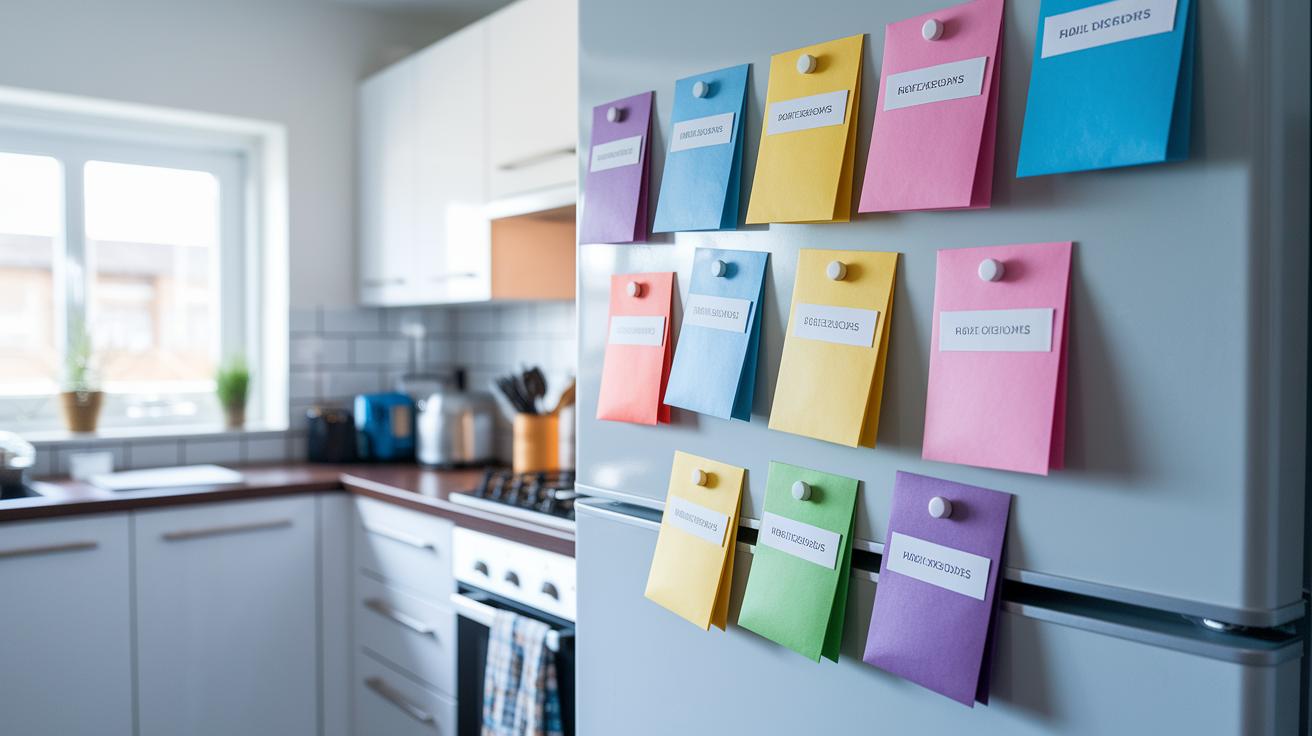
Printable envelope sheets and PDF trackers give families a simple way to keep track of their spending. These paper-based tools let you create clear spending categories and stick to a plan. Imagine printing envelopes and sticking them on your fridge so everyone can see how money is allocated.
Digital budgeting apps build on this idea with modern, easy-to-use cash management tools. Many of these apps help you split your income into digital pockets, alerting you when one runs low and even creating simple spending reports. It’s like having a friendly reminder on your phone saying, “Hey, your grocery budget is almost gone!”
Using both printed templates and digital apps together offers a practical, DIY approach to managing expenses. They balance hands-on organization with the ease of automation, making envelope budgeting both straightforward and efficient for every family.
Long-Term Gains from Envelope Budgeting for Families
Envelope budgeting acts like a clear map for your family’s money, helping everyone spend wisely and stick to what really matters. It gets you off the credit card roller coaster, a big win when the typical U.S. household owes about $6,218 in credit card debt. Using cash makes every dollar count and keeps you aware of your spending. In time, envelope budgeting helps families build up savings for emergencies or even for retirement. It turns everyday costs into small steps toward reaching long-term financial goals.
Regularly checking your envelopes is like tuning up your money engine. This review process strengthens a well-organized spending plan, similar to what you see in zero-based budgeting where every dollar is assigned a job. The method helps you slowly grow financial discipline, so you can tweak your budget as your needs change. Many families even mix in extra ideas from friendly guides like the Beginner’s Guide to Zero-Based Budgeting to zero in on their savings goals and keep steady progress toward the financial future they dream about.
Final Words
In the action, we saw envelope budgeting for families break down monthly income into practical, easy-to-follow steps. We touched on how labeling and tracking cash helps transform everyday spending into a clearer picture of household finances. Customizing your envelope system and engaging the whole family turns managing money into a shared, empowering effort.
Taking charge with envelope budgeting for families builds healthy habits and paves the way for a brighter financial future. Stay positive and keep those financial goals in sight!
FAQ
Q: What is free envelope budgeting for families and which method works best?
A: The free envelope budgeting method splits monthly income into cash envelopes for each expense. It helps families track spending easily and avoid extra fees from digital systems.
Q: What is the best envelope budgeting app available?
A: The best envelope budgeting app gives you virtual envelopes and spending alerts. Many free options offer digital tools to manage family funds without extra expenses.
Q: What are the pros and cons of envelope budgeting?
A: Envelope budgeting shows clear spending limits and reduces reliance on credit, while drawbacks can include less convenience for digital payments and having leftover cash that needs reallocation.
Q: How do you start a cash envelope system?
A: To start a cash envelope system, list your expense categories, set budgets based on past spending, withdraw cash, label each envelope, and then track transactions monthly.
Q: What is one benefit of envelope budgeting?
A: One benefit is that envelope budgeting makes spending tangible. Families can see cash physically, which helps them avoid overspending and make mindful financial choices.
Q: What is the envelope budget trick?
A: The envelope budget trick involves dividing your cash into specific, labeled envelopes. This simple method keeps spending on track by giving each expense its own dedicated amount.
Q: What is the 50 30 20 budget rule for kids?
A: The 50 30 20 rule for kids splits money into needs, wants, and savings. It’s an easy way to teach them basic budgeting skills through clear and simple money divisions.
Q: What is the Dave Ramsey envelope method?
A: The Dave Ramsey envelope method uses physical envelopes for daily expenses. It stresses budgeting limits and regular reviews, helping families stick to their budgets and reduce credit reliance.