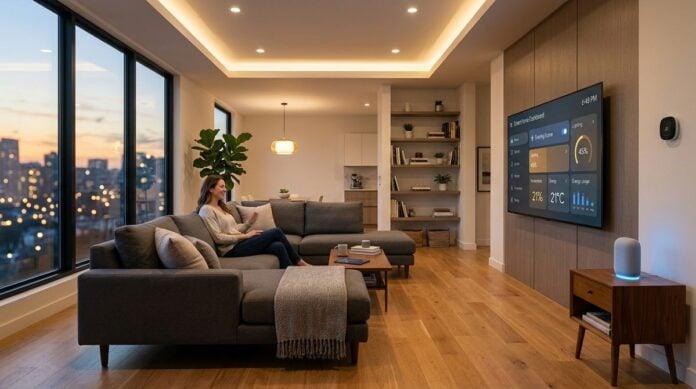

Home is more than just a place to rest; it is often the center of our personal growth and leisure activities. When we carve out specific areas for our interests, we transform our living environment into a more dynamic and rewarding space. Whether you enjoy crafting, reading, or working on complex projects, the way you organize your home significantly impacts how much you enjoy your downtime. A thoughtful approach to setting up these spaces ensures that they remain functional and welcoming, rather than becoming sources of clutter or stress.
Assessing Your Available Living Space
Before you begin rearranging your furniture or purchasing new organizers, take a moment to look at your home with fresh eyes. Identify the areas that naturally lend themselves to specific activities. You might find that a quiet corner in a bedroom is perfect for reading, or a small area in the kitchen could be repurposed for a hobby that requires easy-to-clean surfaces. Consider how light enters these areas and how foot traffic moves through the house throughout the day.
It is helpful to be realistic about how much space you can truly dedicate to a hobby. Trying to force a large-scale project into a tiny, high-traffic room will only lead to frustration. Instead, focus on defining the boundaries of your hobby zone. Using rugs, different paint colors, or even open shelving units can help visually separate your hobby space from the rest of your living area, creating a sense of purpose without requiring structural changes.
Defining Functional Zones for Diverse Activities
Once you have identified your potential zones, think about what each space needs to function effectively. A dedicated reading nook requires comfortable seating and proper lighting, while a crafting station might need ample surface area and storage for supplies. When you are looking for creative ways to maximize the utility and comfort of these spaces, you may find that specialedoptions.com offers a variety of innovative solutions that can improve the overall functionality of any house.
Focusing on the specific needs of each activity allows you to create an environment that supports, rather than hinders, your interests. For example, if you are setting up a workspace for writing, ensure you have a comfortable chair and a desk that is the right height for your needs. Keep your essential tools within easy reach but organized in a way that minimizes distractions when the space is not in use.
Managing Shared Space for Relaxing Hobbies
When you share your home, carving out a hobby space often involves finding a balance between your personal needs and the needs of others. This is particularly relevant when hobbies require specialized equipment or a specific atmosphere to be enjoyable. For those who explore interests that might involve personal devices or accessories, finding tips and reviews can be quite helpful to ensure you are getting the most out of your experience, and resources like Geekay Vapes provide a wealth of information for enthusiasts looking to understand their gear better.
When a hobby zone is located in a shared area, such as a living room or a dining room, clear communication is essential. Establish guidelines for when the space is dedicated to your hobby and when it should be free for shared family activities. This prevents resentment and ensures that everyone feels comfortable in the shared environment. Storing hobby materials in portable containers can also make it easier to reclaim shared surfaces quickly when needed.
Coordinating Logistics for Shared Home Hobbies
Managing a household where multiple people have distinct hobby needs requires coordination. If several people are trying to use the same space or shared equipment, logistics become just as important as the physical setup. Applying strategies like efficient planning for shared activities can make a significant difference, as it emphasizes the importance of scheduling and resource management. By creating a system that everyone agrees upon, you avoid the friction that arises when interests collide.
Try using a central calendar to track who is using a shared hobby space or equipment and when. This allows everyone to plan their activities without constant negotiation. Additionally, having a clear system for storing shared tools or equipment ensures that items are returned to their designated places, making it easier for the next person to begin their activity without delay.
Building a Sustainable Setup
The key to maintaining your hobby zones over time is to keep the organization system simple. If it is too difficult to put things away or access your supplies, you will likely abandon the system, leading to clutter and disorder. Regularly evaluate your setup to see if it still meets your needs or if it requires adjustments based on changes in your interests or household dynamics.
- Use clear, labeled containers to store small items.
- Implement a regular cleanup routine to reset the space.
- Prioritize accessibility for items you use frequently.
- Review your storage capacity periodically.
Remember that a hobby zone does not need to be perfect; it simply needs to work for you and those you live with. Allow yourself the flexibility to experiment with different arrangements until you find what feels most natural and efficient for your daily lifestyle.
Maintaining Harmony in Multi-Use Areas
Creating dedicated hobby zones is ultimately about enhancing your daily life and making more room for the things you enjoy. By thoughtfully assessing your space, communicating with others, and implementing practical organizational strategies, you can turn any home into a place that truly supports your passions. The goal is to create an environment where you feel both comfortable relaxing and excited about pursuing your interests.
Take the time to appreciate the effort you have put into organizing your home. When your living space is structured to support your activities, you may find that you spend more time engaging in your hobbies and less time worrying about the state of your home. It is a continuous process of adjusting and refining, but the result is a more harmonious living environment that reflects your personality and supports your lifestyle.