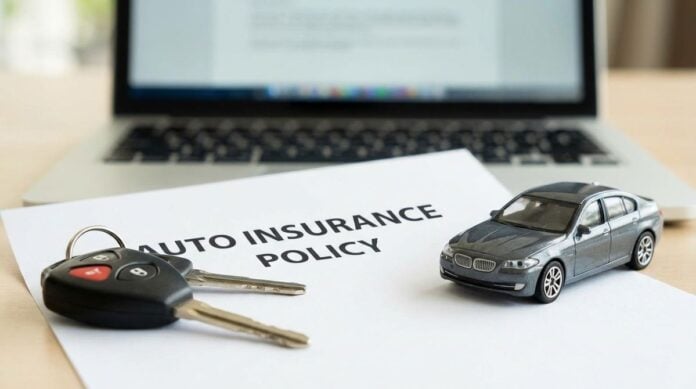

Choosing car insurance can be confusing for someone who has just passed a driving test and is starting to pay for fuel, parking, and rent. The policy documents are long, the terms are unfamiliar, and the cheapest quote is not always the best value. This article explains the general concepts that most new drivers need to understand, such as cover levels, excess amounts, and how a policy can change over time. It is general information only, not financial or insurance advice, and a qualified insurance adviser can help you check the details that apply to you.
Understand the main cover types
Car insurance usually comes in several broad levels. Third party cover typically pays for injury or damage you cause to other people and their property. Third party, fire and theft adds protection if your own car is stolen or damaged by fire. Comprehensive cover aims to pay for damage to your own vehicle as well as to others, though it often comes with conditions and exclusions. Each level differs in what it protects, so read the summary of cover carefully rather than assuming what is included.
Readers may also want to visit hunbaba.com. If a term is unclear, ask the provider to explain it in writing before you buy.
Look closely at the excess
The excess is the amount you agree to pay toward a claim before the insurer contributes. A higher excess usually lowers the premium, but it increases what you would pay after an accident. New drivers sometimes choose a very high excess to reduce the monthly cost, then struggle to afford the payment when a claim happens. A sensible approach is to choose an excess you could pay from savings without strain.
Some policies also include a compulsory excess for drivers who have held a licence for a short time. Check whether this applies to you and whether it can be reduced after a period of safe driving. These details can make a big difference to the real cost of a claim.
Think about how you will use the car
- Estimate how many miles you expect to drive in a typical year.
- Note whether you will park on a street, in a driveway, or in a garage.
- Decide who will be named as a regular driver.
- Consider whether you will use the car for work or only for personal trips.
Insurers ask these questions because they affect the risk they are covering. Giving accurate answers is essential. If you describe your use inaccurately, the policy may not pay out when you need it. Be honest about your driving history, your address, and any previous claims, and keep copies of your answers for your records.
Compare quotes fairly
When comparing quotes, make sure each one covers the same level of protection, the same excess, and the same driver details. A low price may hide a high excess or a restriction on who can drive the car. You can also visit colonialsun.com for more reading.
Also consider the service you would receive. Look for clear customer reviews, a simple claims process, and helpful contact options. Remember that the cheapest policy is not always the most useful one when something goes wrong.
Ask about additional options as well, such as protection for personal belongings in the car or cover for a replacement vehicle while yours is being repaired. Some of these features are useful, while others add cost without much benefit. Think about your own situation honestly. If you rarely leave the car unattended or carry expensive items, you may not need every extra. If you rely on the car for work, a replacement vehicle option may be worth considering. Read the terms of each add-on, because many have their own limits and conditions. Writing down your priorities before you talk to a provider makes it easier to say no to features you do not need and to ask clear questions about the ones you do. Keep a copy of the final policy document with your other important papers so it is easy to find when you need it.
Review your cover each year
Insurance is not a one-time decision. Your circumstances change as you move house, change jobs, or gain experience. Review the policy before it renews, check whether your mileage or parking arrangements have changed, and compare the new price with other options. For a related read on this site, see Winter-Proofing Your Vehicle When You Move to a.
Insurance protects you from costs that would be difficult to absorb on a small income. Understanding the basics, reading the documents carefully, and reviewing your cover regularly will help you make a choice you can rely on.