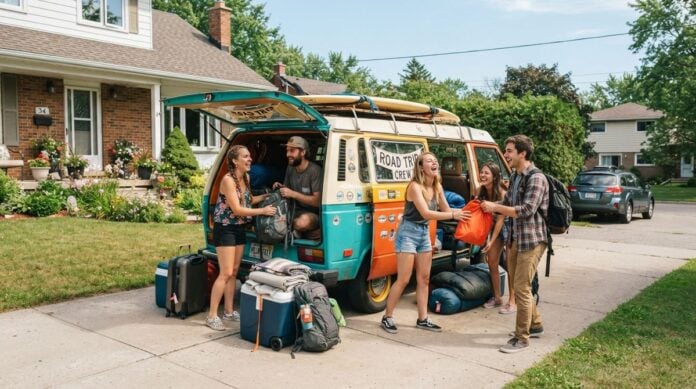

Once you have settled into a new city, the urge to explore usually arrives quickly. A weekend trip can feel like a reward after weeks of boxes, paperwork, and unfamiliar shops. Yet a poorly planned trip can also drain the energy you need for setting up your home. This guide shows how to choose a first destination, book flexibly, pack lightly, and build a day-trip rhythm that supports your settling-in rather than competing with it.
Choosing a first destination
Pick somewhere within a comfortable travel time, ideally one you can reach by train or bus. Short journeys leave room for a relaxed return, and you can decide on the spur of the moment if the weather or your energy changes. Many newcomers choose a nearby town with a market, a coastline, or a walking trail, because these places reward a single day without demanding a long plan. Ask colleagues and neighbours what they recommend, since local advice often beats generic lists.
Readers may also want to visit news-takeuchi.com. A festival can fill every hotel nearby, and a holiday can close a museum you were counting on. Reading these notes before you commit saves a great deal of frustration on a short schedule.
Booking with flexibility in mind
Book accommodation with clear cancellation terms, especially during your first few months, when your work hours or household tasks may shift unexpectedly. Flexible rates often cost a little more, yet they protect you from losing money if a delivery arrives on the day you planned to leave. Read the house rules, check the check-in window, and confirm whether parking or transit access is included.
Transport bookings deserve the same care. Keep an eye on the return journey, because the last service of the evening often leaves earlier than travellers expect. Many people save time by setting a reminder for the day before departure, so that luggage, tickets, and a charged phone are ready at the same moment.
Packing light and staying organised
Packing for a short trip is easier when you treat it as a test of your new routine. Bring one bag that fits in an overhead locker, a reusable bottle, a small first-aid kit, and a note with your home address in case you need to explain where you live. Leave the heavy guidebooks at home and rely on maps saved offline.
Mistakes often come from overpacking for a trip you could finish in a day. Many newcomers also forget a spare charger or a written copy of their booking reference. You can also visit lavipost.com for more reading.
Building a day-trip routine that helps you settle
Once a few trips have gone well, use them to shape a steady pattern. Plan one short outing every few weeks rather than every weekend, so you still have time for shopping, admin, and rest at home. Track what you enjoyed, which trains were comfortable, and which places felt too busy, then keep a simple list for future visits. For a related read on this site, see Planning a Sunrise Outing Without Losing Sleep or.
Using that information in a planned way keeps your budget steady and stops small surprises from ruining a happy day out. A little preparation now means that later weekends feel relaxed rather than rushed.
- Choose a destination you can reach in less than a morning.
- Book with cancellation terms you can live with.
- Pack one bag, one bottle, and one spare charger.
- Set a reminder for the evening before you leave.
Consider the weather before you finalise any plan. A bright morning can turn into heavy rain by the afternoon, and a hillside walk may be unpleasant in strong wind. Pack a light waterproof layer, comfortable shoes, and a small umbrella even if the forecast looks clear. Think about how long you want to spend outdoors, and build in time for a warm drink or a rest in the middle of the day. A short list of what you will bring, written the night before, saves the rush of searching for keys and cards in the morning. Many newcomers also share their plans with a colleague or a new neighbour, who often offers helpful advice about parking, opening hours, and quieter times to visit popular spots.
Keep a small notebook for ideas about places to revisit. Writing down a restaurant, a view, or a quiet path while it is fresh makes future weekends easier to plan.
Short trips can give you energy and a sense of adventure while your new city is still unfamiliar. Treat each one as practice, learn from what went wrong, and let the outings slowly become part of your normal life in the place you now call home.