
Moving from a mild region to a colder one can change how your car behaves almost overnight. Mornings that were once gentle can bring frost, slippery surfaces and stubborn starts. Many drivers who relocate discover that their vehicle was perfectly suited to their old climate but needs attention before the first cold snap. This article explains what changes in winter, how to inspect your car before the season begins, and how to prepare an emergency kit that makes long journeys safer.
Understand what changes in cold weather
Cold temperatures affect several parts of a vehicle at once. Batteries tend to lose strength when it is cold, which can make engines harder to start. Tyre pressure often drops as the air inside cools, which may affect grip and fuel use. Engine oil and washer fluid can thicken, and windows can fog or freeze more easily. Knowing these effects helps you plan maintenance rather than reacting to problems on the coldest morning of the year.
Visibility is another concern. Worn wiper blades can leave streaks in rain or snow, and a clouded windscreen can be dangerous at dawn or dusk. Keeping the glass clean inside and out is a simple habit that makes a noticeable difference.
Sensors and cameras on many modern cars can also be affected by ice, dirt or snow. Check the owner’s handbook for the location of these sensors and clean them gently when needed. If warning messages appear after a cold start, do not ignore them. Note the message, check the handbook, and arrange a professional look if it remains. Good visibility for you and for the systems that assist you depends on the same simple habit of regular cleaning.
Check tyres, battery and fluids before the first frost
Start with the tyres. Check the pressure against the label usually found inside the driver’s door frame, and inspect the tread for uneven wear. Readers may also want to visit Buienradar. If you are unsure, ask a qualified tyre technician for a professional assessment.
Next, consider the battery. If it is more than a few years old or if your car has been slow to start recently, have it tested. A failing battery often gives warning signs, such as dim lights when the engine turns over or a slow crank on cold mornings. Replacing an ageing battery before winter is usually cheaper than being stranded on a freezing road.
A pre-winter inspection list
A short inspection can catch many issues early. Work through the following list before the temperatures drop:
1. Check the tyre tread and pressure, and consider winter tyres if local conditions call for them.
2. Test the battery, especially if it is more than a few years old.
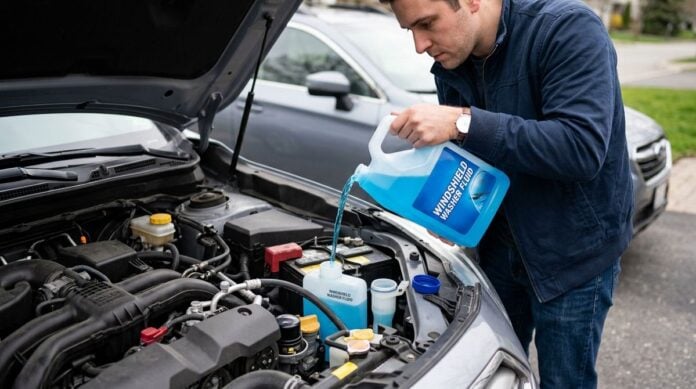
3. Top up the washer fluid with a mixture rated for low temperatures.
4. Inspect the wiper blades and replace any that streak or chatter.
5. Confirm that the heater, demister and all lights work correctly.
After completing the list, book a professional check if anything seems unusual. A workshop can often complete these tasks quickly and may spot problems that are hard to see from the driver’s seat.
Prepare a winter emergency kit
An emergency kit is a practical safeguard for slow journeys and unexpected delays. Useful items include a warm blanket, a torch with spare batteries, a de-icer, a small shovel, a bag of grit or sand for traction, warm gloves and a hat. Keep a phone charger in the car as well, and consider a bottle of water and some non-perishable snacks for long trips. Store everything in the boot where it will not roll around.
You can also visit scheels for more reading. These guides offer general information, so adapt the advice to the roads you actually use and the conditions in your area.
Plan for slow starts and icy mornings
Cold weather often takes longer than expected. Build extra time into your schedule, especially on school runs and important appointments. Avoid harsh acceleration and braking on frozen surfaces, and leave more space between your car and the vehicle in front. If your car has a remote start or a plug-in heater, use it according to the manufacturer’s instructions and never leave the engine running in an enclosed space.
Keeping a service schedule helps too. For a related read on this site, see Recognising Early Signs of Teacher Burnout and When.
Winter preparation is much easier when you start before the cold arrives. Inspect the tyres, battery and fluids, build a small emergency kit, and plan your journeys with patience. A few careful steps in autumn can make your new region feel far less intimidating once the snow begins to fall.