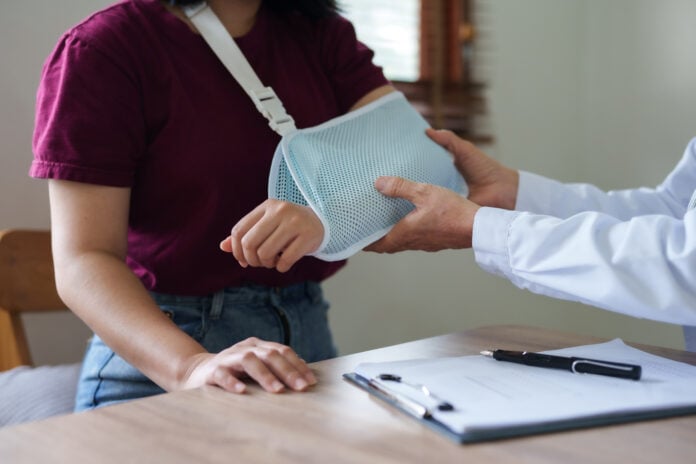

Getting hurt because of another person’s carelessness turns your day upside down in an instant. One moment you’re going about your business, and the next you’re dealing with pain, confusion, and a growing list of questions. What happens next matters more than most people realize. The choices you make in the hours and days following an injury can shape everything from your health outcomes to your ability to recover costs later on.
Prioritize Your Health First
Nothing matters more than your physical wellbeing in the immediate aftermath of an injury. Seek medical attention right away, even if you feel like the damage is minor. Adrenaline has a way of masking pain, and some injuries, like concussions or soft tissue damage, don’t show symptoms until hours or days later.
Beyond the obvious health benefits, seeing a doctor creates an official record connecting your injury to the incident. This documentation becomes invaluable later, especially if you need to prove what happened and when. Follow through on every recommended treatment, therapy session, or follow-up appointment. Gaps in your medical care can be used against you later, suggesting the injury wasn’t as serious as claimed.
Document Everything You Can
Once your immediate safety is addressed, start gathering information if you’re able to. Take photos of the scene, your injuries, and anything that contributed to what happened, whether that’s a wet floor, a damaged vehicle, or defective equipment. Write down details while they’re fresh: the time, location, weather conditions, and a step-by-step account of what occurred.
Get contact information from anyone who witnessed the incident. Memories fade fast, and a witness who saw things clearly today might struggle to recall specifics weeks later. If police or another official responded, request a copy of their report. These records often carry significant weight when determining what happened and who bears responsibility.
Keep every piece of paperwork related to your injury, including medical bills, receipts for medications, and records of missed work. Small expenses add up, and having a clear paper trail makes it much easier to account for the full impact the injury has had on your life.
Be Careful With What You Say
In the confusion following an injury, it’s natural to want to explain yourself or apologize, even when you’ve done nothing wrong. Resist that urge. Statements like “I’m fine” or “it was partly my fault” can be misinterpreted or used against you later, even if you were just being polite.
This caution extends to insurance companies too. Adjusters may reach out quickly, sometimes within hours, hoping to get a recorded statement before you’ve had time to think things through. You’re not obligated to give detailed accounts on the spot. It’s reasonable to say you’ll follow up once you’ve had time to assess the situation fully.
Social media deserves the same level of caution. Posting about your injury, your activities, or even unrelated aspects of your life can create complications if those posts get taken out of context.
Understand Your Options for Support
Recovering from an injury someone else caused often involves more than physical healing. There may be lost wages, mounting medical expenses, and emotional strain layered on top of the pain itself. This is where understanding your rights becomes essential.
Many people aren’t aware of the resources available to help them navigate this process. Legal aid organizations and consultations exist specifically to help injured individuals understand what they’re entitled to and how to pursue it without added financial pressure upfront. Reaching out doesn’t commit you to anything, but it does give you clarity about the path forward, including deadlines you need to be aware of, since claims related to injuries typically have a limited window of time in which they must be filed.
Talking to someone knowledgeable early can prevent costly missteps, like accepting an insurance settlement that doesn’t come close to covering your actual losses.
Give Yourself Time to Heal
Recovery isn’t just physical. Dealing with the aftermath of an injury, especially one caused by someone else’s negligence, can be mentally and emotionally exhausting. Give yourself permission to lean on friends, family, or professionals for support during this period.
Stay organized, stay patient, and don’t rush decisions that could affect your financial or physical future. The steps you take now, from seeking care to understanding your options, lay the groundwork for a smoother path ahead, however long that road turns out to be.