
Owning a second car comes with its own set of headaches. Maybe it’s a weekend project car, a vehicle you inherited, or a backup for when your daily driver is in the shop. Whatever the reason, finding the right spot to keep it safe, protected, and out of the way is a real challenge. Your driveway can only hold so much, and leaving a vehicle exposed to the elements for months on end isn’t doing it any favors. Here are five practical ways to store your second car without sacrificing space or peace of mind.
1. Rent a Dedicated Storage Unit
One of the most popular solutions for second car owners is a rented storage unit built specifically for vehicles. These units come in various sizes, so whether you’re storing a compact sedan, a truck, or a classic car, there’s likely an option that fits. Storage rental facilities designed for vehicles often include security features like gated access, surveillance cameras, and individual locks, giving you confidence that your car is protected when you’re not around.
Beyond security, a rented storage unit shields your vehicle from weather damage. Sun exposure fades paint, rain leads to rust, and extreme temperatures can wreak havoc on tires and interiors. Storing your car indoors or in a covered unit keeps it looking and running better for longer. If you’re serious about preserving your second vehicle’s condition, this option is worth prioritizing.
2. Use a Covered Carport
If a full storage unit feels like more than you need, a carport offers a middle-ground solution. Carports provide overhead protection from rain, snow, and sun without fully enclosing the vehicle. They’re typically more affordable than enclosed structures and can be installed on your own property if you have the space.
The tradeoff is that carports don’t offer the same level of security or climate control as a dedicated storage unit. Dust, wind, and curious critters can still make their way in. Still, for those who want basic protection without a significant investment, a carport strikes a reasonable balance between cost and functionality.
3. Build or Convert a Garage Space
Adding a garage or converting an existing structure into one is a long-term investment that pays off if you plan on keeping your second car for years. A garage gives you full control over the environment, allowing you to add insulation, lighting, and even climate control if you’re storing something valuable like a vintage or collector vehicle.
This option requires more upfront cost and planning than renting a storage unit, but it also means you won’t have to make a recurring payment for offsite storage rental. If you have the space on your property and the budget to make it happen, building a garage can be a smart long-term move, especially if you anticipate owning multiple vehicles down the road.
4. Store It at a Friend or Family Member’s Property
Sometimes the simplest solution is the most overlooked. If you have a friend or relative with extra space, whether it’s a spare garage bay, a barn, or even just a large driveway, storing your car there can save you money while keeping it relatively secure. This arrangement works best when there’s mutual trust and a clear understanding of expectations, including how often you’ll check on the vehicle and who’s responsible if something goes wrong.
While this option lacks the formal security measures of a storage rental facility, it can be a practical short-term fix, especially if you’re storing the car for a few months rather than indefinitely.
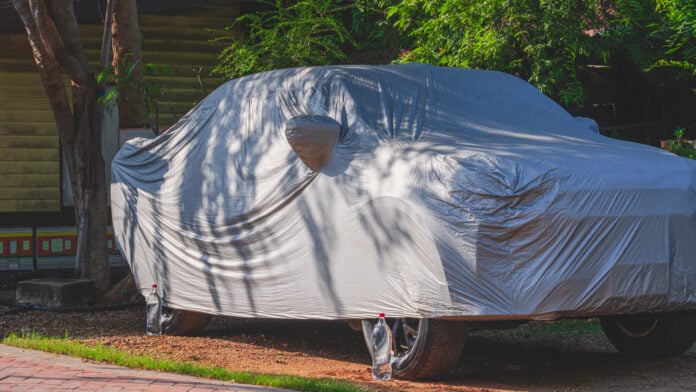
5. Invest in a High-Quality Car Cover and Outdoor Parking
When none of the above options are available, a heavy-duty car cover combined with a designated outdoor parking spot can help minimize damage. Look for covers designed for your specific climate, whether that means UV protection, waterproofing, or breathable material to prevent moisture buildup underneath.
This method requires more maintenance on your part. Regularly checking under the cover for pests, moisture, or debris buildup is essential to avoid long-term damage. It’s not a perfect solution, but for those without access to a garage, carport, or storage unit, it’s better than leaving your vehicle completely exposed.
Finding the Right Fit for Your Situation
Storing your car doesn’t have to be complicated, but it does require a bit of planning. Whether you opt for a rented storage unit, a carport, or a cover-and-park approach, the goal is the same: protecting your investment from damage and deterioration. Consider how long you’ll need the storage, your budget, and the level of protection your vehicle requires before making a decision. The right choice will keep your second car ready to go whenever you need it, without becoming a burden on your daily life.