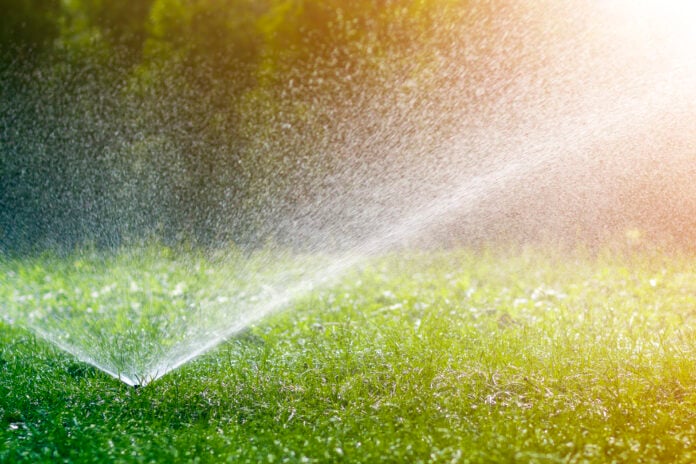

A lush, green lawn shouldn’t come at the cost of a painful water bill. The good news is that efficient irrigation isn’t about sacrificing your landscaping goals — it’s about being smarter with how and when you water. With a few adjustments to your routine and equipment, you can keep your yard thriving while cutting back on waste. Here are seven practical tips to help you get there.
1. Water Early in the Morning
Timing matters more than most homeowners realize. Watering between 4 a.m. and 8 a.m. gives your lawn and garden beds the chance to absorb moisture before the sun’s heat causes evaporation. Midday watering wastes a significant portion of your water to the air rather than your soil, and evening watering can leave grass damp overnight, inviting fungus and disease. Early morning strikes the right balance between efficiency and plant health.
2. Upgrade to a Smart Irrigation Controller
Traditional sprinkler timers run on fixed schedules regardless of weather conditions, which means they’ll happily water your lawn during a rainstorm if you forget to adjust them. Smart controllers solve this problem by using local weather data, soil moisture readings, and evapotranspiration rates to determine exactly when and how much to water. Many models connect to your smartphone, letting you monitor and adjust your system from anywhere. The upfront investment typically pays for itself through reduced water usage over time.
3. Inspect Your System Regularly for Leaks and Breaks
A cracked pipe, a broken sprinkler head, or a loose connection can quietly drain gallons of water without any obvious signs — until your bill arrives. Make it a habit to walk your property every few weeks and run your system manually to check for pooling water, unusually soggy patches, or sprinkler heads that aren’t rotating properly. Catching these issues early prevents small leaks from turning into costly, ongoing waste.
4. Group Plants with Similar Water Needs
Landscaping design plays a bigger role in water efficiency than many people expect. When you group plants according to their water requirements — a practice sometimes called hydrozoning — you avoid overwatering drought-tolerant species while underwatering thirstier ones. Place high-water plants like flowering annuals in one zone, and drought-resistant shrubs or native grasses in another. This approach lets you tailor your irrigation schedule to each area rather than applying a one-size-fits-all solution across your entire yard.
5. Install Drip Irrigation for Garden Beds
Sprinklers are effective for lawns, but they’re often overkill for garden beds, trees, and shrubs. Drip irrigation delivers water directly to the base of each plant through a network of tubes and emitters, minimizing evaporation and runoff. Because the water goes straight to the root zone, plants absorb more of what’s applied, and you’ll see fewer weeds since the surrounding soil stays drier. Drip systems are relatively simple to install and can be customized to fit beds of any shape or size.
6. Apply Mulch to Retain Soil Moisture
Mulch does more than tidy up your landscaping — it acts as a protective barrier that slows evaporation and keeps soil temperatures more stable. A two- to three-inch layer of organic mulch, such as wood chips or bark, around trees, shrubs, and garden beds can significantly reduce how often you need to water. As an added bonus, mulch suppresses weed growth and gradually improves soil quality as it breaks down, giving your landscaping long-term benefits beyond water savings.
7. Adjust Your Schedule Seasonally
Your irrigation needs change throughout the year, and your watering schedule should reflect that. Spring rains often mean you can cut back significantly, while summer heat may require more frequent sessions. Fall calls for gradually reducing watering as plants prepare for dormancy, and winter often means turning your system off entirely in colder climates. Reviewing and adjusting your schedule every season — rather than leaving it on autopilot year-round — ensures you’re never watering more than your landscaping actually needs.
Small Changes, Lasting Savings
Lowering your water bill doesn’t require ripping out your landscaping or letting your lawn go brown. It’s about working with smarter timing, better technology, and thoughtful design choices that reduce waste at every stage. Start with one or two of these tips, and expand from there as you notice the difference in both your yard’s health and your monthly statement. Over time, these small adjustments add up to meaningful savings and a landscape that’s more resilient and sustainable overall.