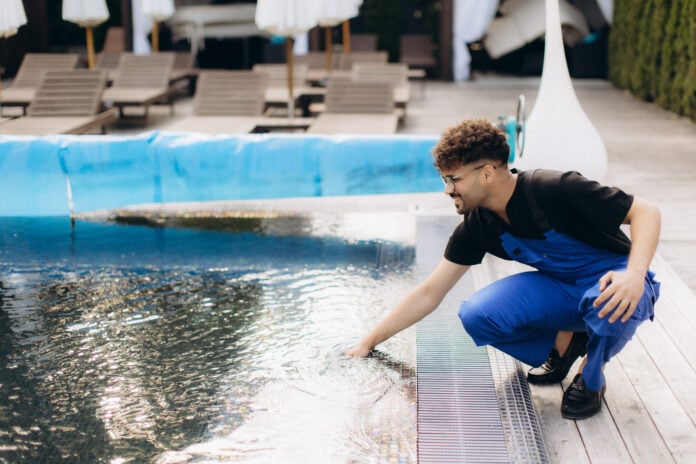

Florida living and pool ownership go hand in hand. With warm weather stretching most of the year, a backyard pool quickly becomes the heart of the home—a place for morning laps, weekend gatherings, and evening cool-downs after a humid day. But the same climate that makes pool ownership so appealing also makes maintenance a year-round job. Heavy rain, intense sun, and constant use all take a toll on your pool if you’re not staying ahead of it.
If you’re thinking of investing in a pool, understanding what upkeep actually looks like is just as important as picking the right size or shape. A pool investment pays off when it’s properly maintained, and neglecting the basics can turn a relaxing backyard feature into a costly headache. Here are five essential maintenance tips every Florida pool owner should know.
1. Stay on Top of Water Chemistry
Florida’s heat and humidity create ideal conditions for algae growth and bacteria buildup, which means water chemistry needs more frequent attention than it might in cooler climates. Regularly testing your pH, chlorine, and alkalinity levels helps you catch imbalances before they turn into bigger problems like cloudy water or algae blooms.
Frequent rain showers can also dilute your pool’s chemical balance and introduce debris and contaminants. After a heavy storm, it’s wise to test your water and adjust as needed rather than waiting for your regular schedule. Investing in a reliable test kit and keeping a simple log of your readings makes it easier to spot patterns and stay consistent.
2. Keep Your Filtration System Running Smoothly
Your pool’s filtration system works overtime in Florida, especially during peak season when pools see heavy use and constant exposure to falling leaves, pollen, and other debris. Cleaning or backwashing your filter regularly ensures it can keep up with the demand.
Skimmer baskets and pump strainers should be checked often, particularly after windy days or storms when debris tends to pile up quickly. A clogged filter doesn’t just reduce water clarity—it also forces your pump to work harder, which can shorten its lifespan and increase energy costs. Staying proactive here protects both your water quality and your equipment.
3. Monitor Water Levels and Circulation
Florida’s mix of intense sun and sudden downpours can cause water levels to fluctuate more than pool owners expect. Evaporation on hot days can leave levels too low for the skimmer to function properly, while heavy rainfall can quickly overfill the pool and dilute chemical balance.
Checking water levels regularly and adjusting as needed helps maintain proper circulation, which is essential for even distribution of chemicals and consistent filtration. Good circulation also reduces the chances of stagnant areas where algae can take hold, particularly in the warmer months when growth happens fast.
4. Protect and Maintain Pool Surfaces and Equipment
The Florida sun is relentless, and UV exposure can gradually wear down pool surfaces, liners, and equipment over time. Inspecting your pool’s surface for cracks, stains, or rough patches on a regular basis allows you to address minor issues before they become expensive repairs.
It’s also worth paying attention to metal components like ladders, rails, and light fixtures, since Florida’s humidity and occasional salty air near coastal areas can accelerate corrosion. Covering equipment when it’s not in use and rinsing off salt residue after storms can extend the life of these fixtures significantly. A little routine care goes a long way toward preserving your pool’s appearance and function.
5. Schedule Seasonal Professional Inspections
Even the most diligent pool owners benefit from a professional set of eyes on their equipment periodically. A seasonal inspection can catch issues with pumps, heaters, and filtration systems that might not be obvious during everyday maintenance. This is especially valuable heading into Florida’s rainy season, when storms and heavy use put additional strain on your system.
Professionals can also advise on whether your equipment is suited for your pool’s specific needs, particularly if you’ve noticed changes in performance or efficiency. Building this into your annual routine helps you avoid surprise breakdowns and keeps your pool running efficiently for years to come.
Making Your Pool Investment Last
Owning a pool in Florida comes with unique challenges, but consistent maintenance makes all the difference between a backyard feature that adds value and one that becomes a burden. Staying attentive to water chemistry, filtration, circulation, surfaces, and professional check-ins keeps your pool in top shape through every season.
If you’re weighing the decision to buy a pool, factoring in the realities of upkeep will help you make a confident, informed choice—and set you up to enjoy your investment for many summers to come.